Introduction
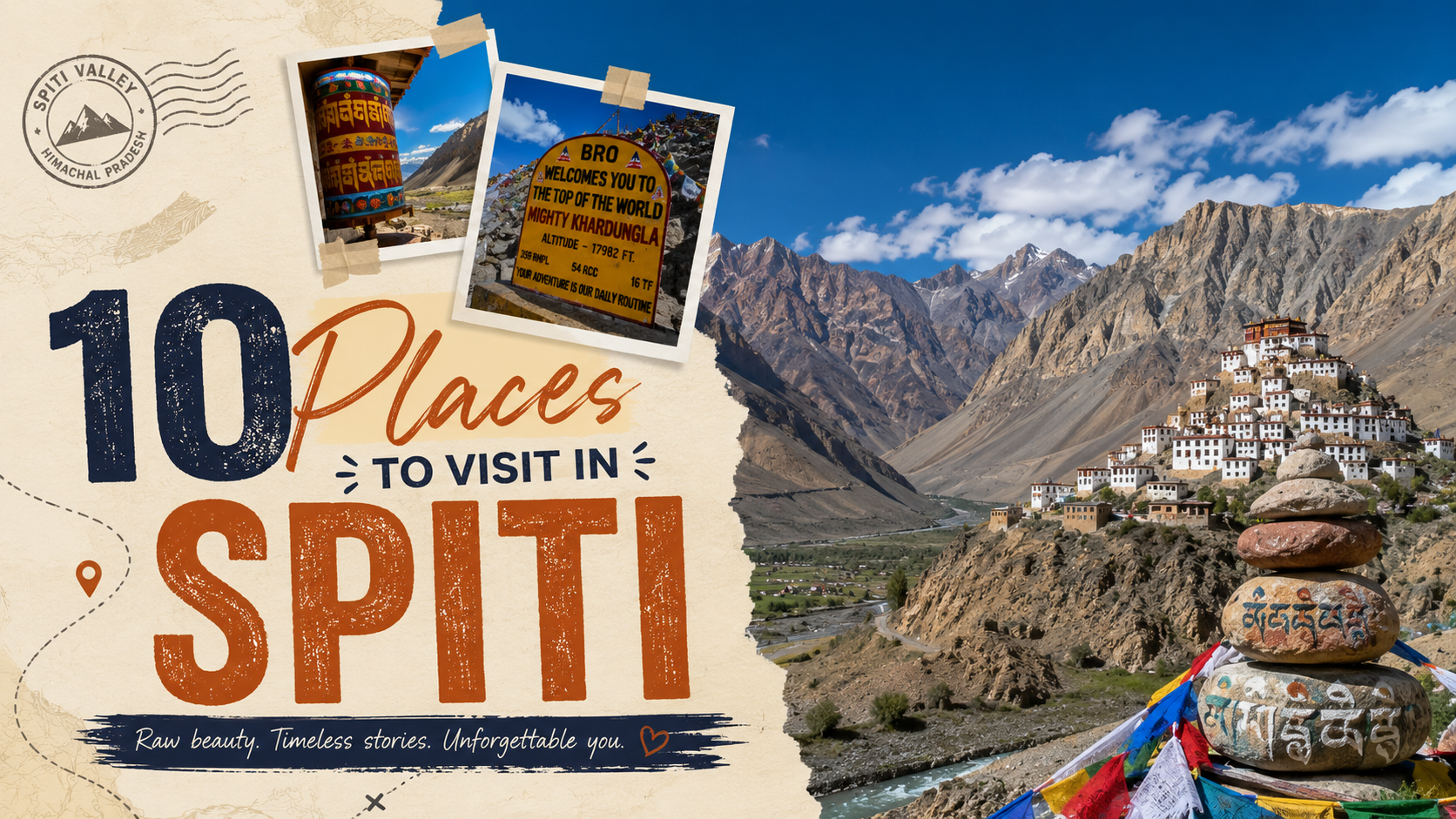
Spiti Valley is the kind of place where the journey is just as exciting as the destination. The roads get narrower, the mountains get bigger and, before you know it, you're driving through some of the highest landscapes in Himachal Pradesh.
For travellers planning a Spiti Valley road trip, understanding its high mountain passes is important because these routes can decide when you can travel and which side of the valley you can enter from. If you're planning your trip with Voyagers Beat, knowing the route and seasonal conditions beforehand can make the journey much smoother.
In this guide, we'll take you through the major high passes in Spiti Valley, their altitude, routes, best travel season, difficulty and a few practical things you should know before heading into the mountains.
Why Are High Passes Important in Spiti Valley?
If you've ever looked at a map of Spiti, you'll notice just how isolated the valley is. Mountains surround it from almost every direction, and reaching the region often means crossing high-altitude mountain routes.
That's what makes these passes so important.
They aren't simply places where you stop, click a few pictures and continue your journey. They are actual gateways connecting Spiti with places such as Lahaul, Kullu and Ladakh. The opening and closing of these routes can also have a big impact on travel plans.
For example, Kunzum La acts as an important gateway from the western side of Spiti. The official Lahaul & Spiti district administration describes Kunzum La as the pass connecting the upper Chandra Valley with Spiti and notes that a motorable road now runs through it. You can check the official pass information here.
So, before planning your Spiti Valley travel itinerary, it's worth understanding which passes you'll actually be travelling through.
Famous High Passes in Spiti Valley
There are several high mountain passes in and around the wider Spiti region. However, Kunzum Pass, Pin Parvati Pass and Parang La are among the routes most commonly associated with Spiti adventures.
Let's look at what makes each one different.
Kunzum Pass (Kunzum La)
Altitude: Around 4,550 metres (14,930 feet)
Location: Between Lahaul and Spiti Valley
Route: Manali-Kaza route
Best Time: Generally during the summer and early autumn opening window
Difficulty: Moderate for a high-altitude motorable passIf you're travelling to Spiti from the Manali side, Kunzum Pass is likely to be one of the highlights of your journey.
The pass sits on the Manali-Kaza route and marks a dramatic change in scenery as you move from the Lahaul side towards the dry, rugged landscape of Spiti. The road itself is an adventure, with steep sections, mountain bends and constantly changing views.
The pass is also associated with the Kunzum Devi Temple, where travellers commonly stop during the journey. Depending on the route and current conditions, Chandratal Lake can also be included in the wider itinerary.
If you're curious about the complete route from Delhi, our guide on how to reach Spiti Valley from Delhi can help you understand the different route options and where Kunzum Pass fits into the journey.
The official district information also describes Kunzum La as a motorable gateway between Batal in the upper Chandra Valley and Losar in Spiti.
Pin Parvati Pass
Altitude: Around 5,300-5,400 metres
Location: Between Parvati Valley and Pin Valley
Route: High-altitude trekking route
Best Time: Generally mid-July to early September
Difficulty: ChallengingPin Parvati Pass is where the experience changes completely.
Unlike Kunzum, this isn't a road-trip stop. Pin Parvati Pass is a demanding high-altitude trek that connects the greener Parvati Valley with the dry, rugged landscapes of Pin Valley.
The route involves steep sections, river crossings and glacier terrain. It's not the kind of trek you'd want to attempt without proper preparation, especially if you haven't spent much time at high altitude before.
Once you reach Pin Valley, you can explore attractions such as Kungri Monastery and the surrounding landscapes of the valley.
If you're planning this route, don't treat it like a regular weekend trek. Proper equipment, acclimatisation, weather checks and experienced trekking support can make a huge difference.
Parang La
Altitude: Approximately 5,580 metres
Location: Between Spiti and the Ladakh region
Route: High-altitude trekking route towards the Tso Moriri region
Best Time: Generally mid-July to early September
Difficulty: ChallengingFor travellers who want something more remote, Parang La offers a completely different kind of Himalayan experience.
This is a high-altitude trekking route connecting the Spiti region with the Ladakh side. There are long stretches where you'll see very little human settlement, which is exactly what attracts experienced trekkers to this route.
Cold temperatures, high altitude, long trekking days and difficult terrain make Parang La better to experienced trekkers rather than first-time hikers.
The route towards Tso Moriri adds another memorable element to the journey, especially for travellers who want to experience both Spiti and Ladakh in one adventure.
If you're interested in seeing the major destinations without planning everything yourself, you can also explore the current Spiti Valley tour packages by Voyagers Beat.
Best Time to Cross the High Passes in Spiti Valley
When planning a trip around the high passes in Spiti Valley, the season matters a lot.
The mountains don't follow a fixed tourist calendar, and road conditions can change depending on snowfall, rainfall and local weather.
June to October
This is generally the main travel period for the motorable Spiti routes. Kunzum Pass and the Manali-Kaza side become accessible during the open season, but exact opening dates can vary from year to year.
If you're planning a summer road trip, always check the latest road conditions before starting your journey.
Mid-July to Early September
For high-altitude trekking routes such as Pin Parvati Pass and Parang La, the trekking window is generally narrower.
Snow, river levels and weather conditions can make these routes difficult outside the preferred trekking season. Even during summer, conditions at these elevations can change quickly.
October Onwards
As temperatures drop and winter approaches, high-altitude routes can begin closing due to snowfall.
So, if your main goal is to experience the high passes in Spiti Valley, don't choose your travel dates based only on general "Spiti best season" information.
For a broader seasonal overview, check our guide to the best time to visit Spiti Valley before booking your trip.
Things to Know Before Travelling Over Spiti's High Passes
Acclimatise properly: Give your body time to adjust to high altitude, especially above 5,000 metres.
Check road conditions: Weather, snowfall and landslides can affect mountain routes. Check the latest updates before travelling. Lahaul & Spiti district administration
Plan your fuel: Petrol pumps are limited, so refuel before entering remote areas.
Carry offline maps: Mobile network may not work in many parts of Spiti. Share your route with someone before leaving.
Pack warm clothes: Carry thermal layers, a windproof jacket, gloves, comfortable shoes and basic medicines.
Check permits: Confirm permit requirements for routes like Parang La, especially near border areas.
If you're coming from Delhi, it's especially useful to understand how the Delhi to Spiti route works, For travellers who want a ready-made route, Voyagers Beat currently lists options including a 4N/5D Spiti Valley road trip and a longer Spiti Circuit Trip.
Conclusion
The high passes in Spiti Valley are a huge part of what makes this region so special.
They're not just lines on a map or roads you have to cross to reach Kaza. They're where the landscape suddenly changes, where the temperature drops, where the roads become more dramatic and where you realise just how vast the Himalayas really are.
For a road trip, Kunzum Pass is one of the most memorable crossings you'll experience. For trekkers, routes such as Pin Parvati Pass and Parang La offer a much more demanding but rewarding adventure.
The most important thing is to travel according to the season, respect the altitude and check current road and weather conditions before setting off.
And honestly, don't be in too much of a hurry.
Sometimes the best part of a Spiti trip is simply stopping for a few minutes at a mountain pass, looking around and realising there's absolutely nothing else around you.
FAQs
Q1. Which are the famous high passes in Spiti Valley?
Kunzum Pass, Pin Parvati Pass and Parang La are among the best-known high-altitude passes associated with the Spiti region. Kunzum is motorable, while Pin Parvati and Parang La are trekking routes.
Q2. What is the best time to cross Kunzum Pass?
Kunzum Pass is generally accessible during the summer and early autumn travel window. However, the exact opening and closing dates depend on snowfall and road conditions each year.
Q3. Is Parang La suitable for beginners?
Parang La is a demanding high-altitude trekking route. Its elevation, remoteness and challenging terrain make it more suitable for experienced trekkers or travellers accompanied by an experienced trekking team.
Q4. Is Kunzum Pass part of the Manali to Spiti route?
Yes. Kunzum Pass is an important part of the Manali-side approach to Spiti. The route towards Kaza generally passes through the Atal Tunnel and onward towards Kunzum before entering the Spiti side.
For a detailed route breakdown, you can read our guide on reaching Spiti Valley from Delhi.

Views
2,956 people have viewed this post