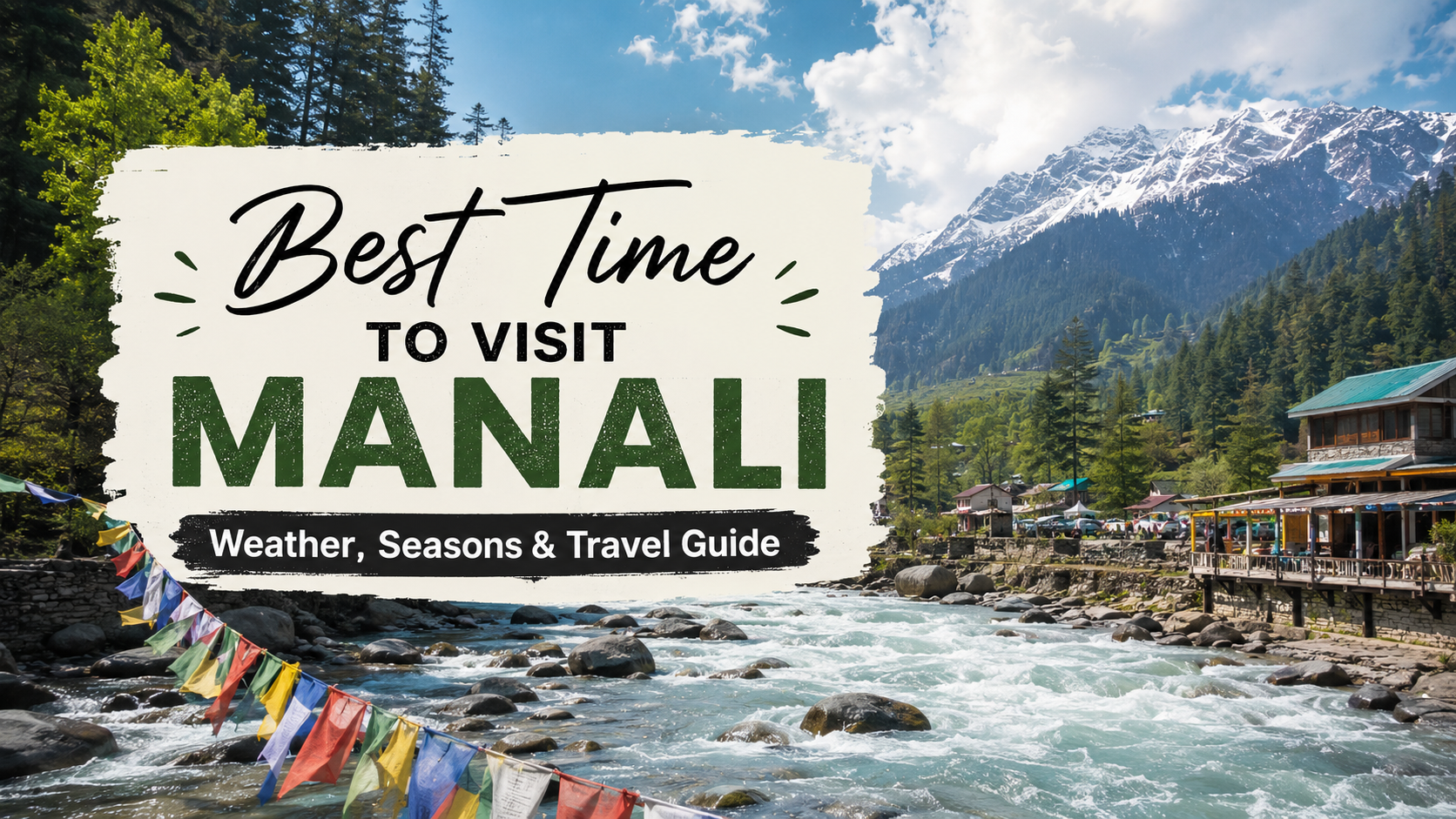
Best Time to Visit Manali: Weather, Seasons & Travel Guide
Planning a Manali trip? Knowing the best time to visit Manali can make the difference between a smooth, memorable holiday and one spent battling traffic jams, landslides, or bone-chilling cold you weren't prepared for. Manali's weather changes dramatically across the year, and each season offers a completely different experience, from snow-capped peaks to blooming valleys. In this guide, we'll break down Manali's weather month by month, help you pick the ideal season for your travel style, and share practical tips so your trip goes off without a hitch. Check out our Manali trip packages to start planning once you've picked your season.
Manali Weather Throughout the Year
Manali sits at roughly 2,050 metres above sea level in Himachal Pradesh, which means it stays noticeably cooler than most Indian hill towns even in peak summer. The nearby higher reaches, like Rohtang Pass and Solang Valley, sit well above 3,000 metres and can see snow almost eight months of the year.
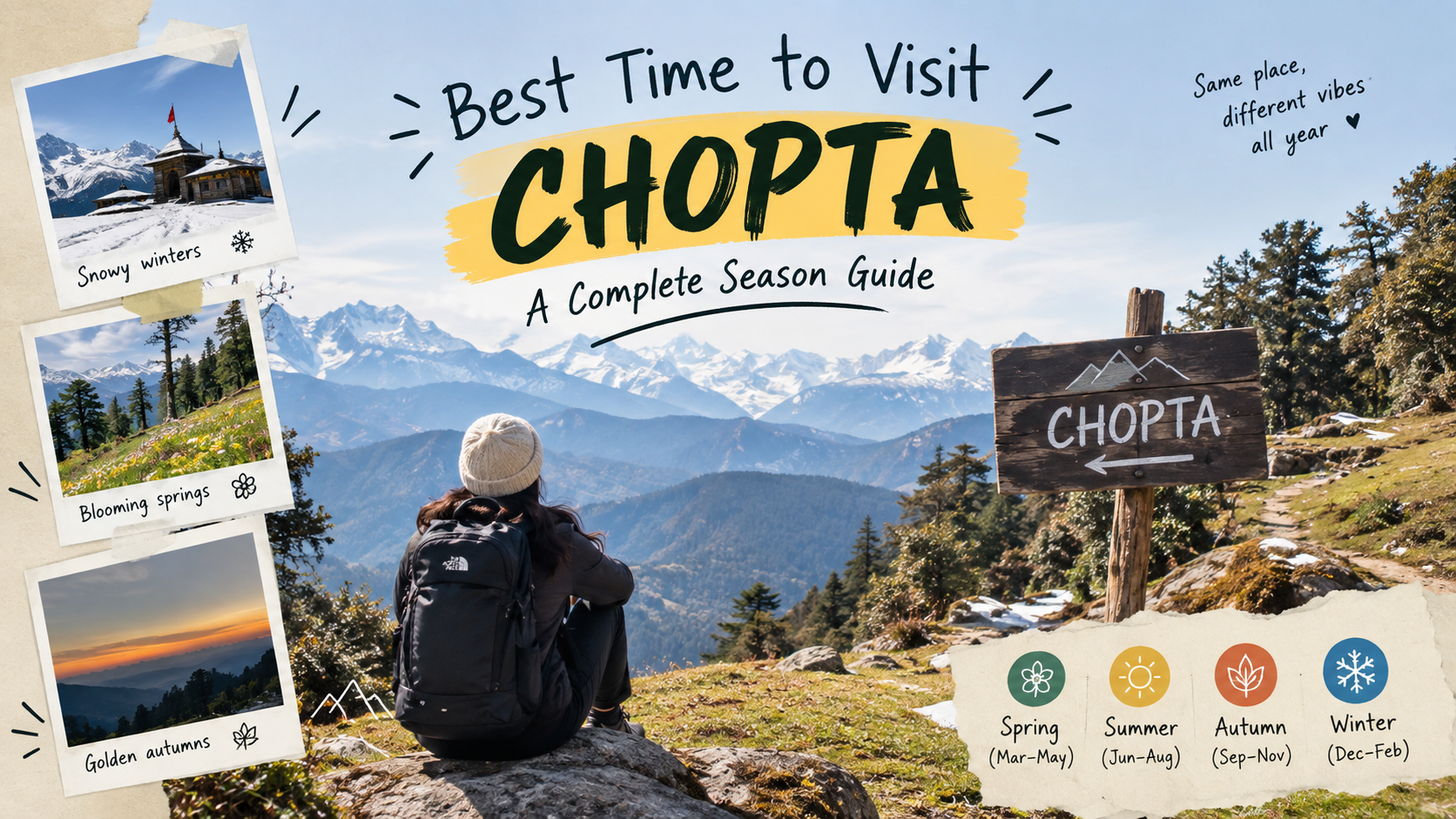
Broadly, Manali experiences four seasons:
Summer (March to June): Pleasant days, cool nights, ideal for most travellers
Monsoon (July to September): Heavy rain, occasional landslides, fewer crowds
Autumn (October to November): Clear skies, golden landscapes, comfortable temperatures
Winter (December to February): Sub-zero nights, heavy snowfall, a completely different Manali
Each of these seasons appeals to a different kind of traveller, so the "best" time really depends on what you want out of your trip.
Best Time to Visit Manali by Season
Manali in Summer
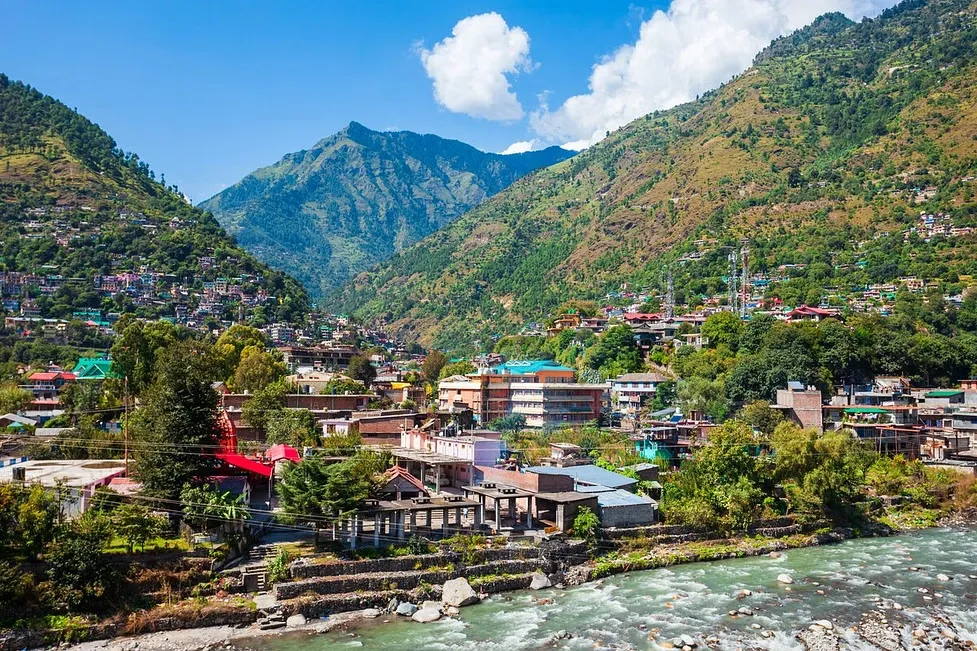
Summer, running from March through June, is when Manali sees its biggest rush of tourists, and for good reason. Daytime temperatures hover between 10°C and 25°C, while evenings stay cool enough for a light jacket. This is the most comfortable window for sightseeing, especially if you're travelling with elderly family members or young kids who can't handle extreme cold.
By April and May, roads to Rohtang Pass and Solang Valley usually open up after winter closures, giving visitors access to snow patches even in peak summer heat elsewhere in the country. June tends to get a little warmer and more crowded as schools close for summer break, so if you want slightly thinner crowds, April or early May works better.
Manali During Monsoon
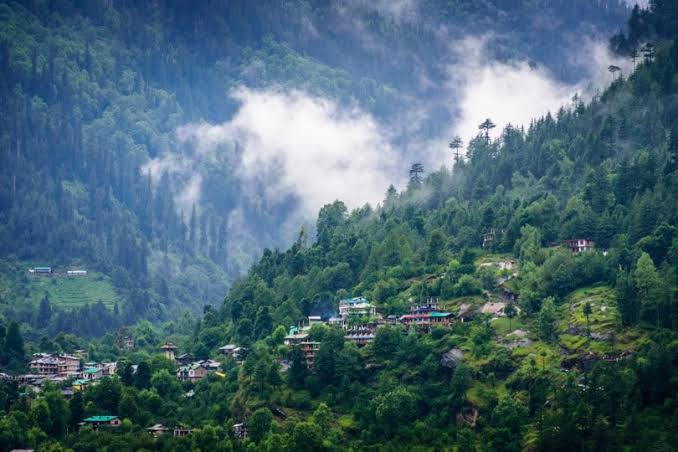
July to September brings the monsoon, and honestly, most travel guides will tell you to skip this season entirely. There's some truth to that. Manali gets moderate to heavy rainfall, roads can get slippery, and landslides aren't uncommon on the route from Chandigarh or Delhi.
That said, monsoon isn't without its charm. The valley turns a deep, vivid green, waterfalls swell up, and hotel prices drop noticeably since fewer tourists show up. If you don't mind carrying a raincoat and adjusting your itinerary around the weather, monsoon can actually be a budget-friendly, less crowded way to see Manali. Just avoid trekking or heading toward higher passes during this period, since visibility and road safety take a real hit.
Manali in Autumn
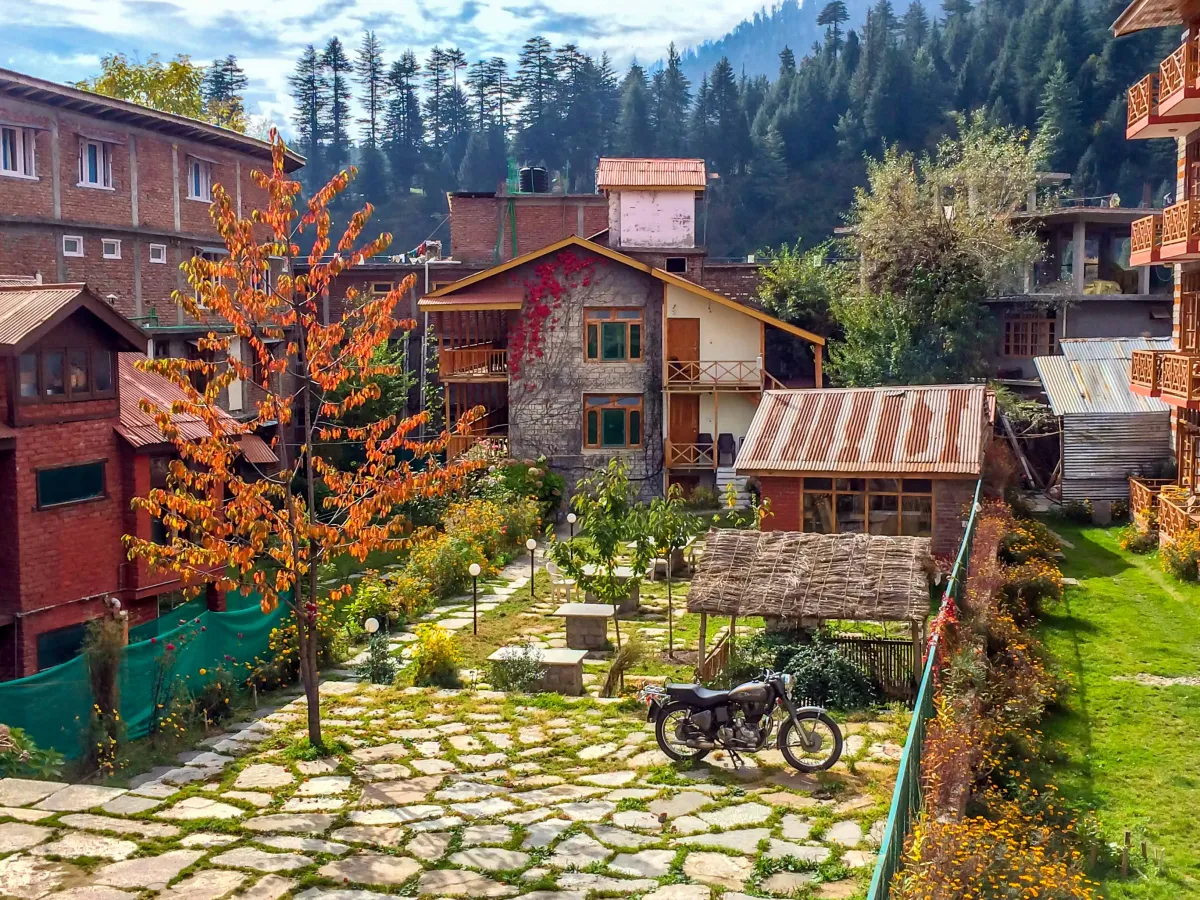
Autumn, spanning October and November, is quietly one of the best-kept secrets for visiting Manali. The monsoon clouds clear out completely, skies stay crisp and blue, and the temperature settles into a comfortable 5°C to 20°C range. Visibility is excellent, which makes this a fantastic window for photography and long drives through the valley.
Crowds thin out compared to summer, hotel rates are usually more reasonable, and the apple orchards around Manali often carry the last of their harvest in early October. If you want good weather without summer's crowds, autumn deserves serious consideration.
Manali in Winter
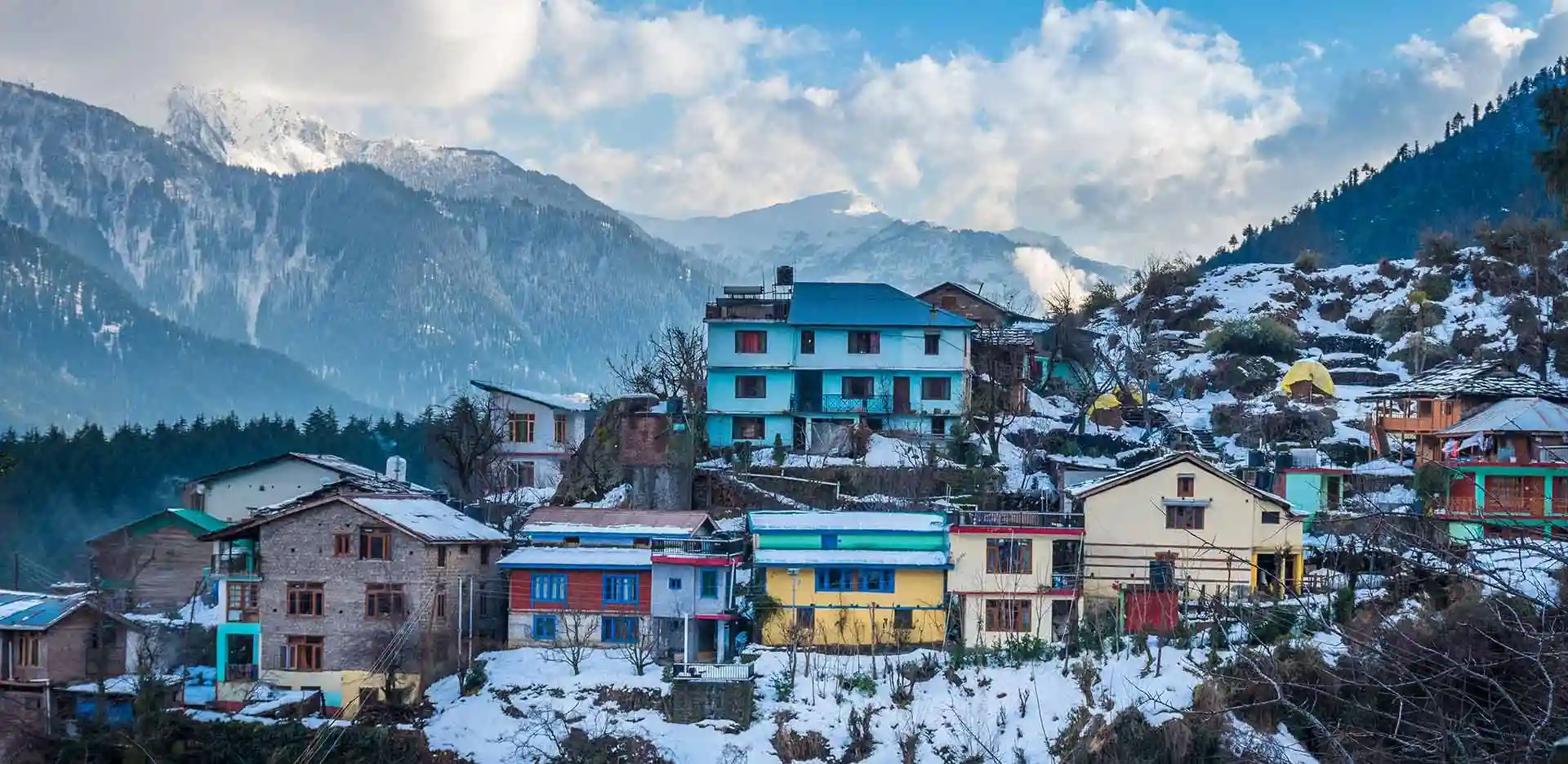
Winter, from December to February, transforms Manali into something out of a postcard. Temperatures can drop well below freezing at night, sometimes down to -7°C or lower, and daytime highs rarely cross 10°C. This is peak season for anyone chasing snowfall, and it's also when Manali sees its second wave of heavy tourist traffic, right around Christmas and New Year.
Roads to Rohtang Pass typically close due to snow accumulation, but Solang Valley and Manali town itself see regular snowfall, making them popular for snow activities. Pack serious winter gear if you're travelling during this window, thermal layers, waterproof boots, and a heavy jacket aren't optional here.
If you're narrowing it down to a single month, here's a quick breakdown based on what you're looking for:
May: Best overall balance of good weather, open roads, and manageable crowds
October: Best for clear skies and photography without peak-season pricing
December: Best for guaranteed snowfall and a festive atmosphere
March: Good for early-season snow with fewer tourists than winter peak
For most first-time visitors, May or October tend to offer the smoothest overall experience: decent weather, accessible roads, and a good mix of activities without the extreme crowding of December.
If snowfall is your priority, aim for late December through February. Manali town usually gets its first snowfall around mid-to-late December, and Solang Valley reliably stays snow-covered through peak winter. Some years bring early snow in November too, but this isn't guaranteed, so if snow is non-negotiable, winter remains the safest bet. Just keep in mind that heavy snow can also mean closed roads and cancelled activities on certain days, so build some flexibility into your itinerary.
Activities also shift by month, which is worth factoring into your choice:
Paragliding and river rafting: Best from March to June, when weather is stable and rivers have good water flow without monsoon danger
Trekking: Ideal in May-June and September-October, avoiding both winter snow and monsoon slush
Skiing and snow activities: Best from late December to February in Solang Valley
Mountain biking: Best in summer and early autumn when trails are dry and accessible
How to Reach Manali
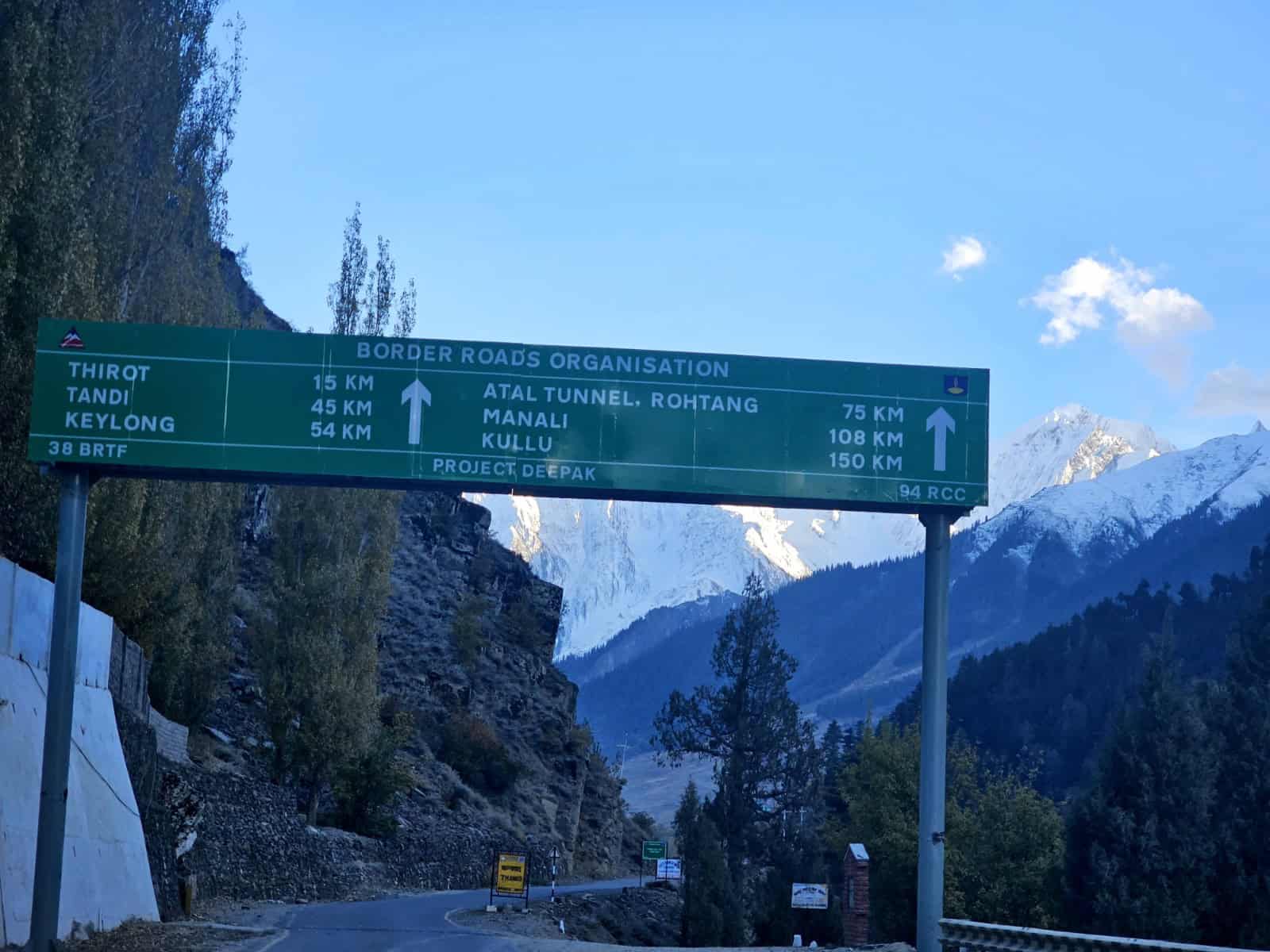
Most travellers reach Manali by road, either self-driving or via overnight Volvo buses from Delhi or Chandigarh, a journey of roughly 12-14 hours from Delhi. The nearest airport is Bhuntar (Kullu-Manali Airport), about 50 km away, with limited seasonal flights from Delhi and Chandigarh. The nearest railhead is Joginder Nagar, though most people find it faster to fly or drive in via Chandigarh. Whichever season you travel in, it's worth checking current road status for the Kiratpur-Manali stretch, since monsoon and heavy winter snow can occasionally cause short closures.
Manali Trip Planning Tips
A few practical things worth knowing before you book:
Book accommodation early for December and May-June, when demand spikes hardest
Carry cash, since ATMs can be unreliable in higher-altitude areas like Solang Valley
Check road status for Rohtang Pass and Atal Tunnel before travelling in winter or monsoon
Pack layered clothing regardless of season, temperatures swing quickly between day and night
Allow buffer days in your itinerary during monsoon and winter in case of road closures
Acclimatise gradually if you're heading toward higher passes, altitude sickness is a real concern above 3,000 metres
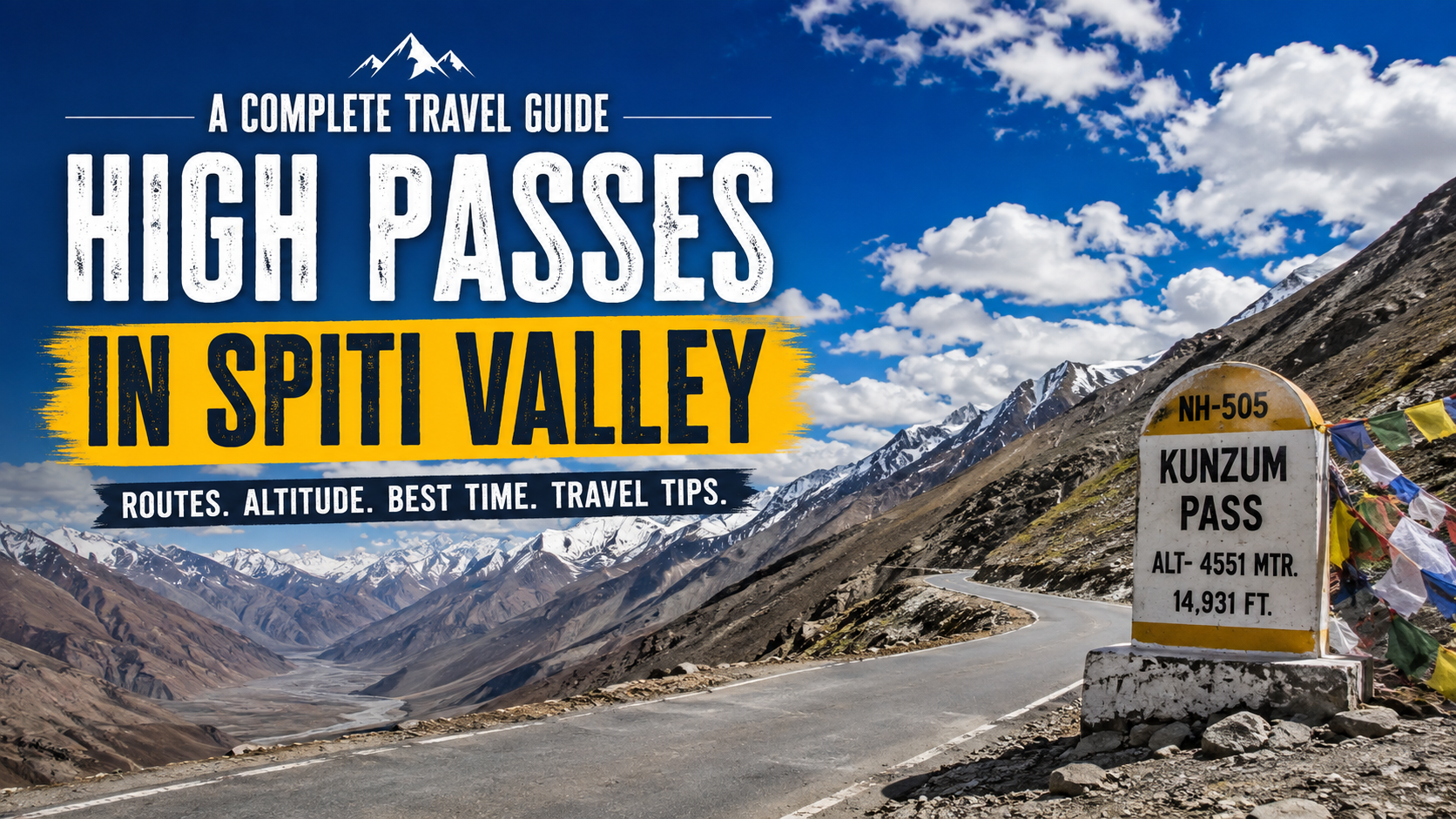
Carry an ILP (Inner Line Permit) if you plan to continue toward Spiti or Ladakh from Manali, since these require separate permits
If you're combining Manali with nearby destinations, it's worth looking at our guides for Kasol and the broader Himachal Pradesh travel guide, both of which pair naturally with a Manali trip depending on your route.
FAQ
Q1. What is the best time to visit Manali overall?
May and October generally offer the best mix of pleasant weather, open roads, and manageable crowds, making them ideal for most travellers regardless of what they want to do.
Q2. Is Manali worth visiting in monsoon?
Monsoon (July-September) brings heavy rain and occasional landslides, so it's not ideal for sightseeing or treks. It does offer lush greenery and lower prices for travellers willing to adjust plans around the weather.
Q3. Can Rohtang Pass be visited in winter?
Rohtang Pass typically closes during peak winter due to heavy snow accumulation and reopens around May, depending on how quickly the roads get cleared each year.
Conclusion
There's no single "perfect" time to visit Manali, it really comes down to what you want from the trip. Chase snow in winter, enjoy comfortable sightseeing in summer, catch clear skies in autumn, or save money during a quieter monsoon visit. Whichever season you pick, a little planning around road conditions and weather will go a long way. Ready to lock in your dates? Browse our Manali holiday packages and let VoyagersBeat help you plan a trip built around the season that suits you best.