Famous Foods of Leh Ladakh: A Complete Food Guide
Ladakh is known for its mountains, monasteries, and roads that kiss the clouds. But there’s another reason to fall in love with Ladakh - the food. Leh Ladakh food tells the story of the place, the cold weather, the high mountains, and centuries of Tibetan influence, all in one bowl.
Planning a Leh Ladakh tour package? Here is your complete guide to what to eat, where to eat it, and why it tastes so different from the rest of India. At Voyagers Beat, we ensure our Ladakh trips have enough space for you to discover this side of the region too.
Why Does Ladakhi Food Taste So Different?
Here's the simple reason: Ladakh sits at a very high altitude, and almost nothing grows easily there.
Barley is more cold-tolerant than rice or wheat, so it appears in most dishes
Yak meat and yak milk fill the protein gap where regular dairy and livestock struggle
Dried and preserved food (including apricots and cheese) is common, as fresh vegetables are hard to find for much of the year.
Tibetan and Central Asian influence is strong, thanks to centuries of trade routes passing through Ladakh
The result? Good, warm food to fill you up and keep you going in the mountains. It's comfort food in the very best sense.
Must-Try Ladakhi Dishes You Cannot Skip
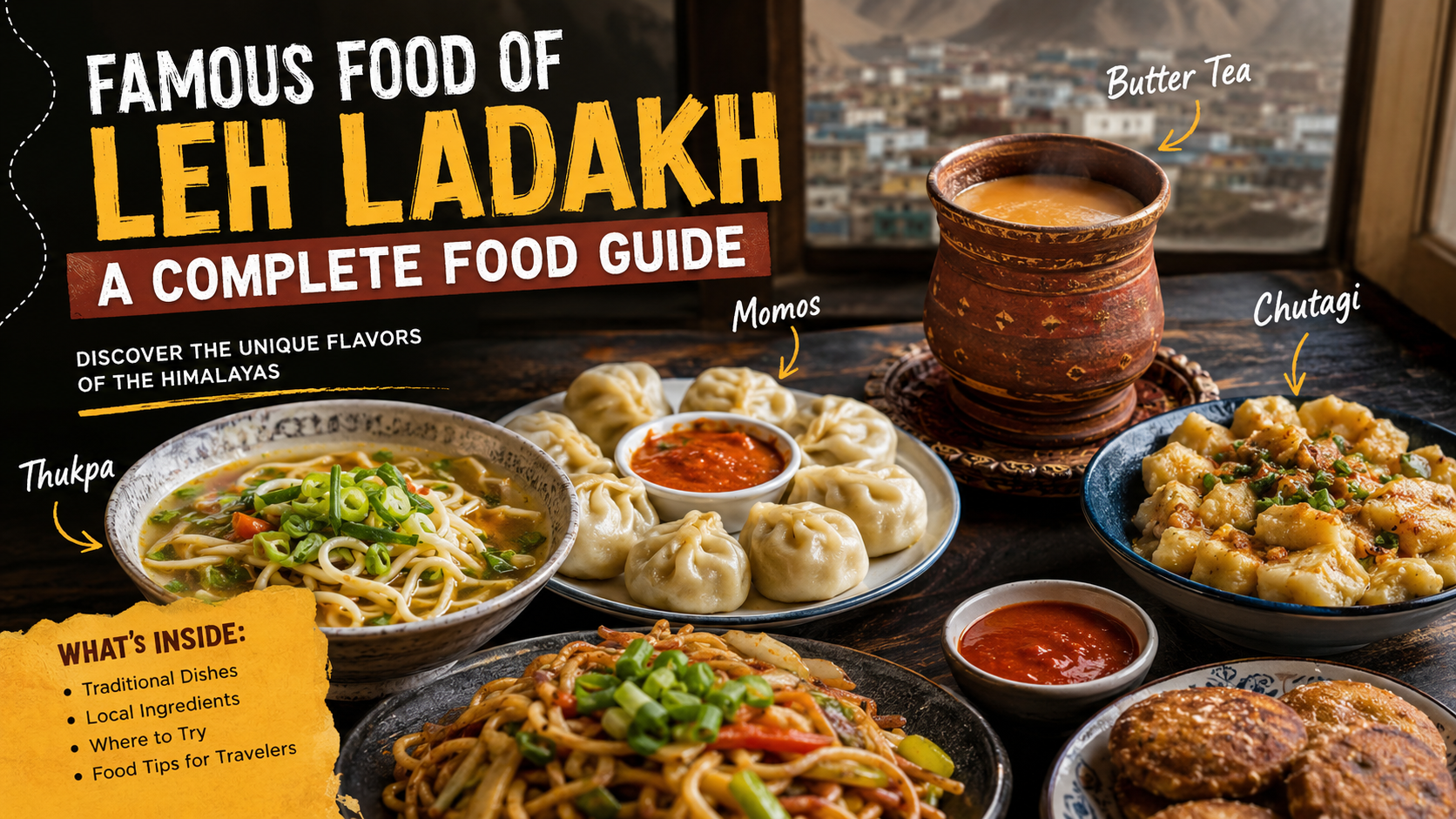
A. Thukpa
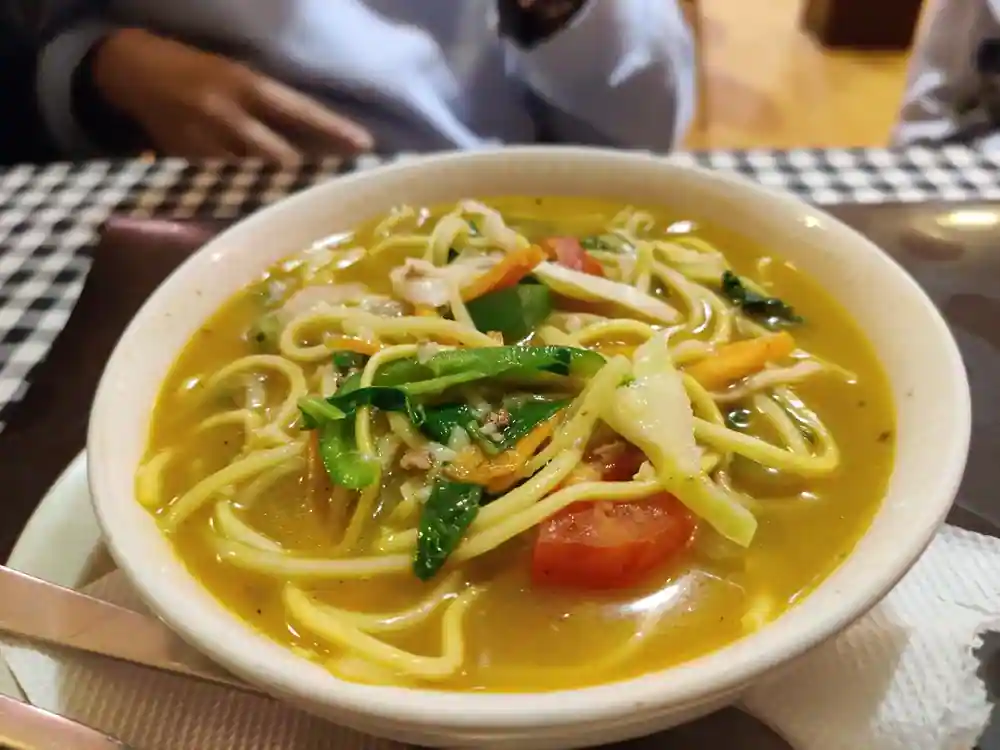
This is the dish most people already know before landing in Leh.
A noodle soup served with vegetables and meat in a hot, tasty, and tempting broth
Every household makes it a little differently, so you should try it at a homestay AND a cafe to compare
Perfect after a long day of sightseeing in the cold
B. Skyu
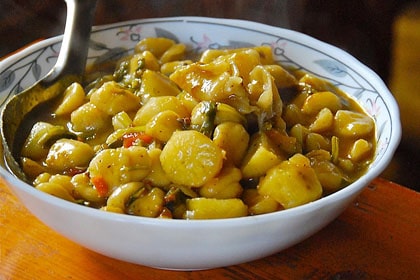
This one is pure comfort food.
Small pieces of wheat dough, pressed by hand, cooked slowly in a thick stew
Usually made with vegetables and sometimes with mutton
This is warm, filling, and exactly what you need at high altitude
C. Chutagi
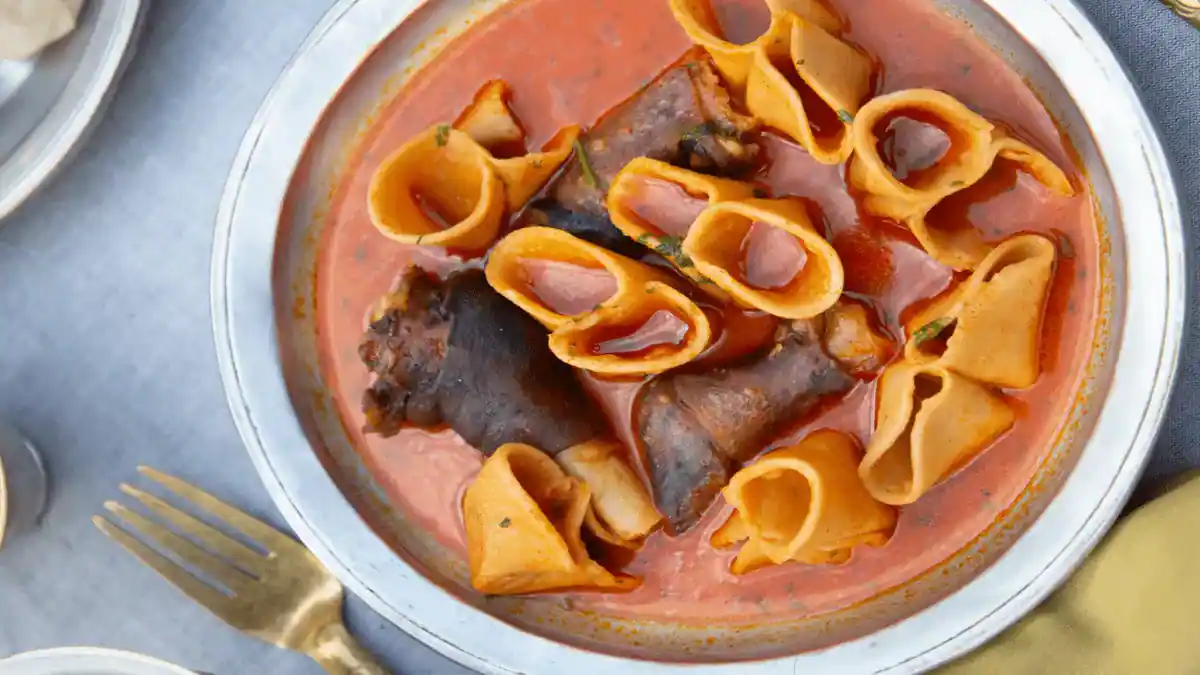
Think of this as Ladakh's own version of pasta.
Small dumplings that are shaped like noodles cooked in a spiced broth
Served with vegetables and meat
A nice change if you are tired of thukpa and momos already
D. Momos
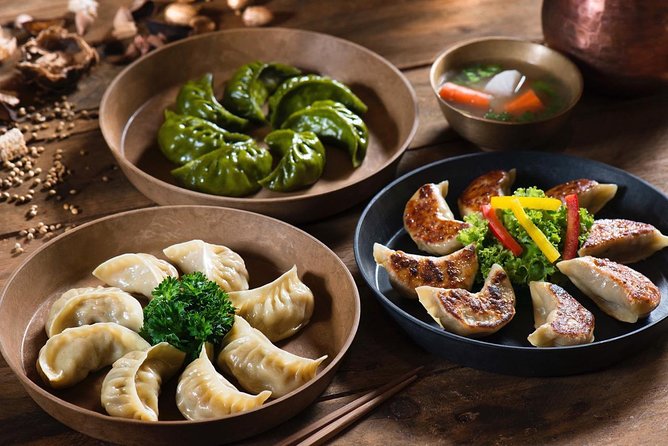
No Ladakh trip is complete without momos, and everyone knows this already.
Steamed dumplings stuffed with minced meat, vegetables, or even yak cheese
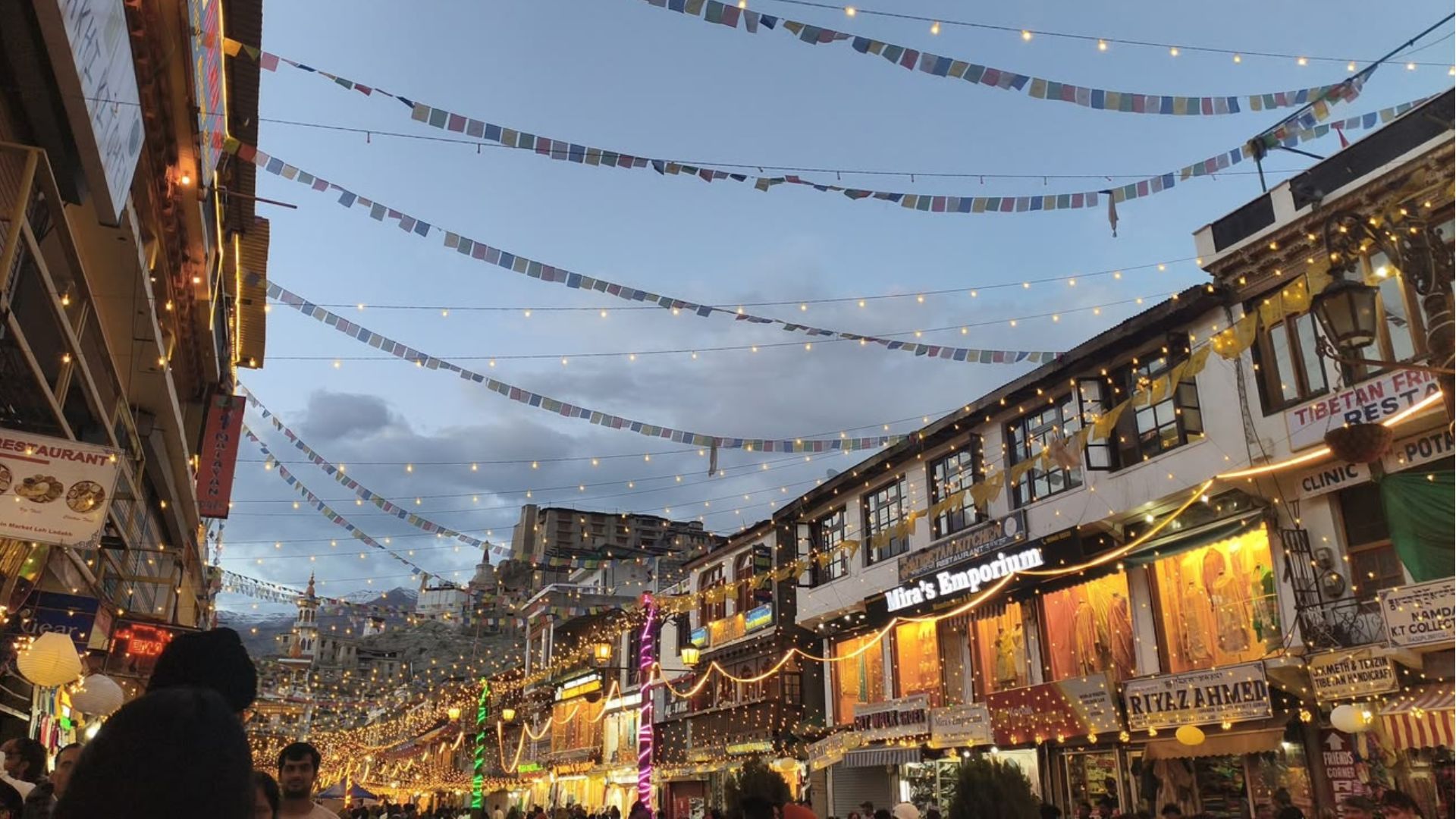
Found everywhere - from proper restaurants to tiny street stalls in Leh Market
Locals usually prefer meat momos, but veg options are everywhere too
E. Butter Tea (Gur Gur Chai)
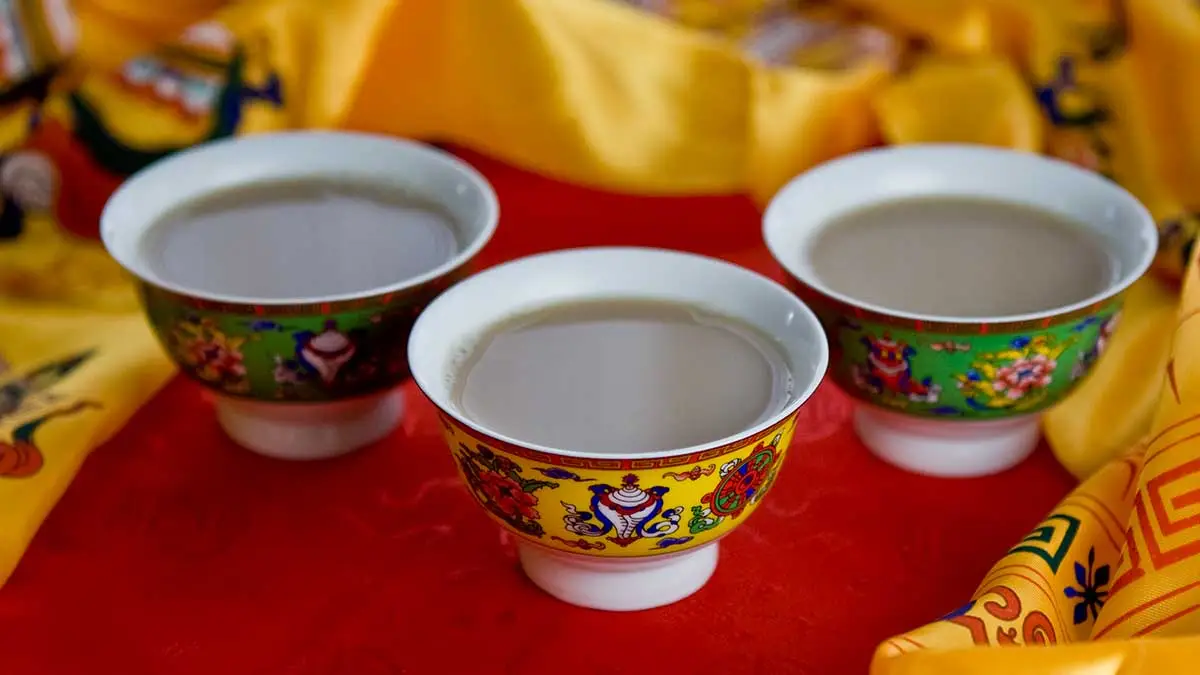
This drink surprises most first-time visitors.
Made from tea leaves, salt, and yak butter (sometimes milk too)
Sounds strange on paper, but makes complete sense once you're sitting in the cold at 11,000 feet
Salty, rich, and genuinely warming - very different from regular chai
F. Khambir
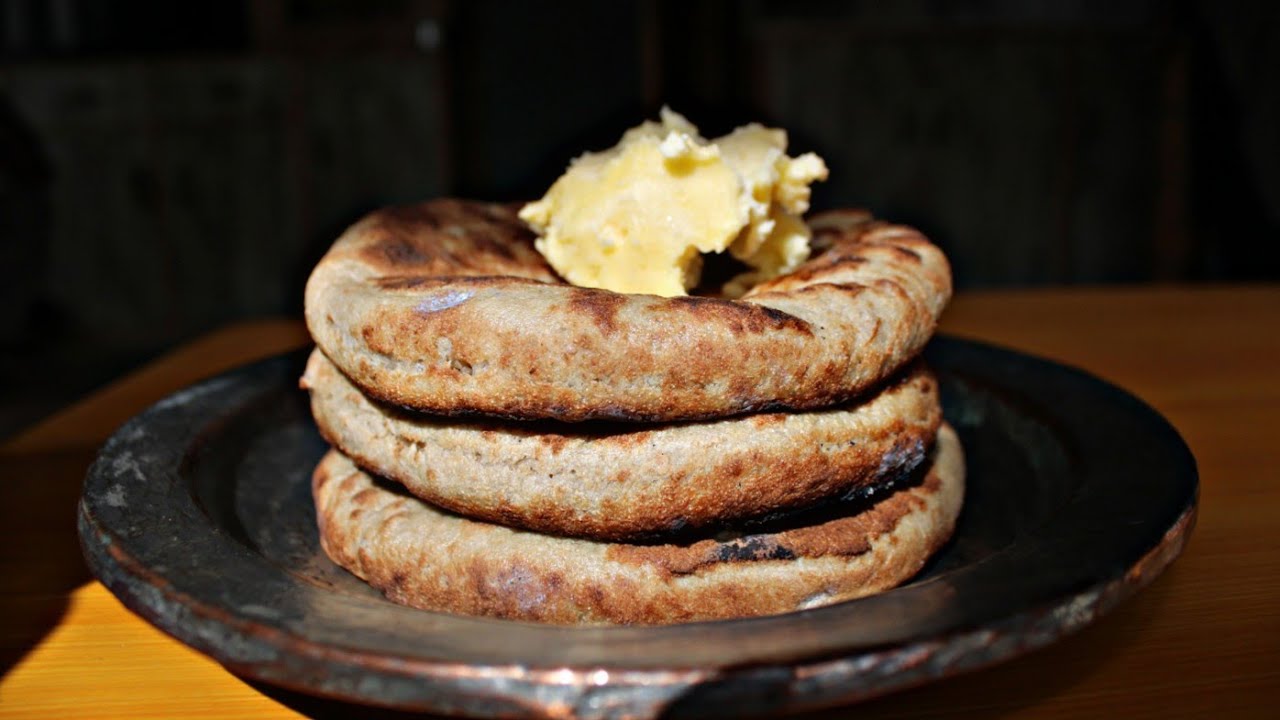
A simple bread with a big role in Ladakhi meals.
A slightly sour, fermented Ladakhi bread
Usually eaten with butter tea or served alongside a stew
Common on most Ladakhi breakfast tables
G. Chhurpe (Yak Cheese)
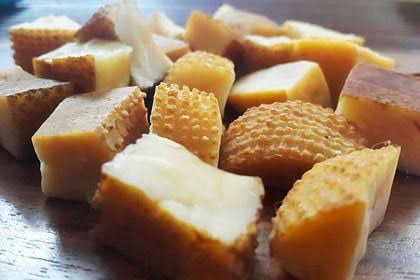
For the more adventurous eaters.
Made from the milk of dzomo (a yak-cow hybrid)
Comes in soft and hard versions
High in protein, and often paired with thukpa or stuffed inside momos
The texture takes some getting used to, but it's worth trying once
H. Apricot Delicacies
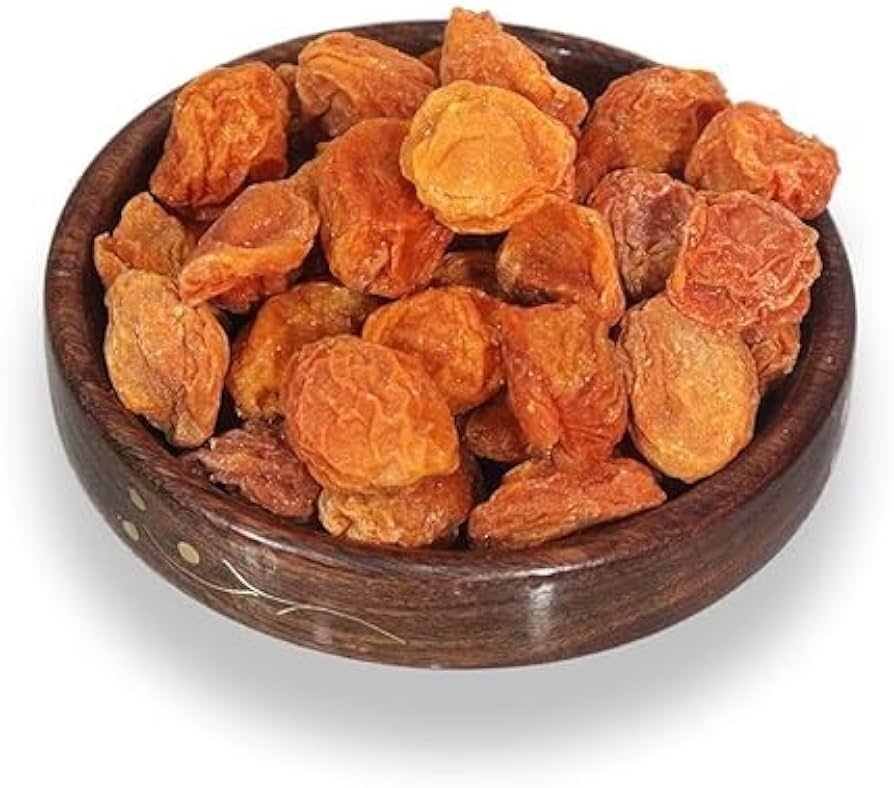
A sweet break from all the savory food.
Ladakh, especially Nubra Valley, grows some of the best apricots in the country
Turned into jams, dried snacks, and even apricot oil used in cooking
A must-try if you have a sweet tooth
I. Tingmo
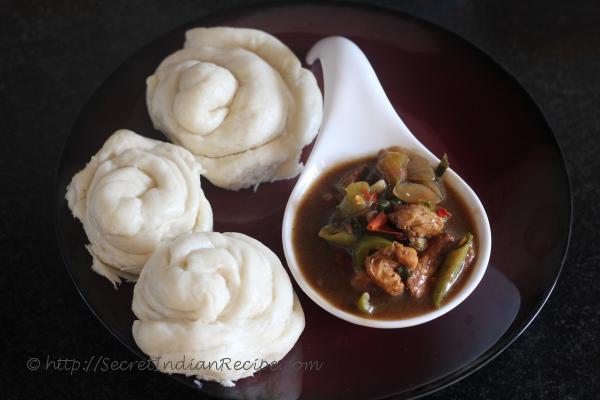
A soft, steamed bun that pairs well with almost anything.
Similar to a fluffy steamed bread, often served alongside spicy meat or vegetable curries
Great for soaking up rich, flavorful gravies
A common side dish at Ladakhi homestays and local restaurants
J. Chang
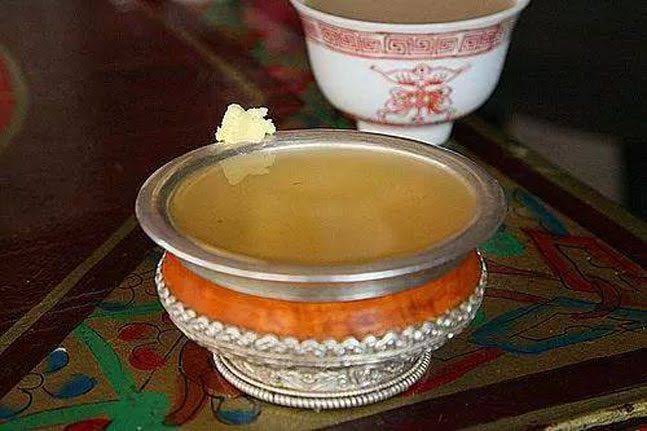
Ladakh's very own local drink, worth trying at least once.
A mildly alcoholic beverage made from fermented barley
Traditionally served during festivals and special occasions
Locals often offer it as a gesture of hospitality, so don't be surprised if you're handed a cup at a homestay
Where Should You Actually Eat in Leh?
Knowing the dishes is half the job - knowing where to eat them properly is the other half.
Leh Market street stalls - fastest and cheapest way to try momos, thukpa, and local snacks on the go
Homestays - the most authentic option, where skyu and chutagi are made the traditional way with local ingredients
Cafés in Leh - many now mix Ladakhi ingredients with modern cooking styles, good for a change of pace mid-trip
Does the Food Change With the Season?
Yes, and it's worth knowing this before you go.
Summer (June to September) - this is when most fresh vegetables and fruits, especially apricots, are available. Markets are more lively, and you'll find fresher versions of most dishes.
Winter (October to February) - fresh produce becomes rare, so meals lean more on preserved and dried food. This is also when you'll get the most authentic, warming versions of butter tea and thukpa, since locals eat them daily to survive the cold.
Festivals - if your trip lines up with a local festival like Losar (Ladakhi New Year) or Hemis Festival, you'll get a chance to try special festive dishes that don't usually show up on café menus.
Conclusion
If you're short on time, here's how to reach Leh Ladakh from Delhi and the best time to plan your trip so you land in Leh with enough days to actually explore the food scene, not just rush between photo stops. Once you're there, our guide to the top 10 places to visit in Ladakh will help you build the rest of your itinerary around these food spots.
Want to read more about the roots of this cuisine? Here's a good overview of Ladakhi cuisine on Wikipedia.
Trying Ladakhi food properly means spending real time in the region, not rushing between photo stops. Our Leh to Leh with Pangong and Nubra package and Srinagar–Leh–Manali–Delhi route both build in proper time at local markets, homestays, and cafés, so you're not just seeing Ladakh, you're actually tasting it too.
FAQs
Q1) Is Ladakhi food spicy?
Not really. Most dishes are mild and comforting rather than spicy - the focus is on warmth and flavor, not heat. If you want spice, chili paste is usually served on the side.
Q2) Is vegetarian food easily available in Ladakh?
Yes. Momos, thukpa, chutagi, and skyu all have vegetarian versions, and most restaurants in Leh cater to both vegetarian and non-vegetarian travelers.
Q3) What should I try first if I only have one day in Leh?
Start with momos and thukpa from Leh Market - they're easy to find, quick to eat, and a great introduction to the local flavors before you try anything more adventurous like chhurpe.
Q4) Is street food in Leh safe to eat?
Generally yes, especially at busy stalls with high turnover. As with any high-altitude destination, drink plenty of water and ease into spicier or richer dishes slowly while you're still acclimatizing.