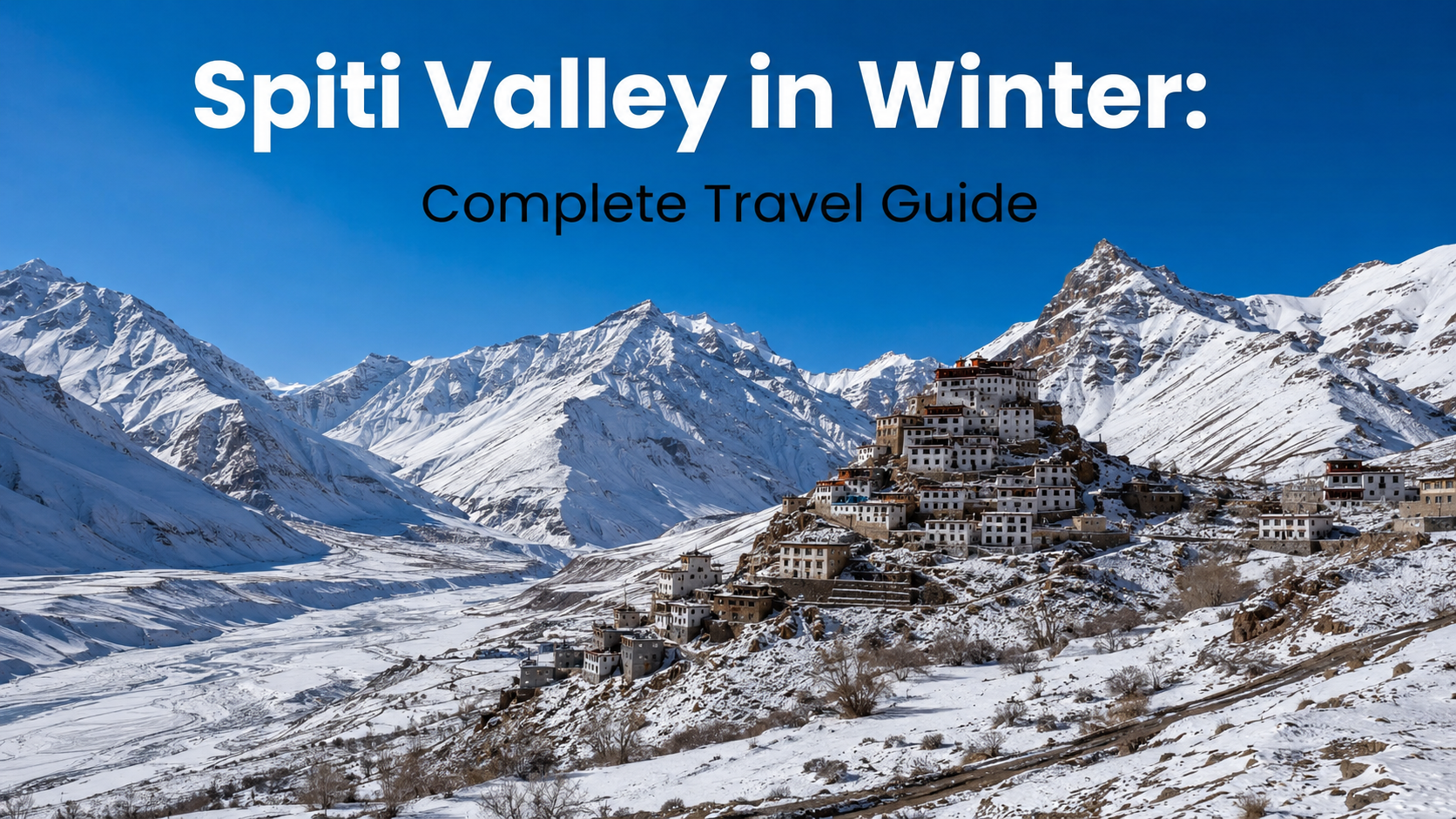
Spiti Valley in Winter: Complete Travel Guide
Some places look good in pictures. Spiti Valley looks surreal in real life.
Rivers of ice, white mountains, snow-covered villages, still living life as if nothing has changed for centuries. This is not a usual trip to a hill station. The winter in Spiti Valley is raw and cold, but it is one of the most rewarding trips you can take in India if you are prepared for it.
At Voyagers Beat, winter Spiti is one of our favourite trips to plan, and this guide covers everything you need to know before you go.
Why Visit Spiti Valley in Winter
Summer Spiti is beautiful. Winter Spiti is something else entirely.
Sheets of blue ice turn the Spiti River.
Snow leopards will come down from the highest peaks, so sightings are much more likely
Villages like Kaza and Tabo are completely different, quiet, and snow-covered
Most tourists skip this season, so you almost have the whole valley to yourself.
This is Spiti at its most honest, without the summer crowds.
How to Reach Spiti Valley in Winter
More than anything else, there's one thing you need to know. In summer, Spiti is accessible from Manali and Shimla. In winter, only one route works.
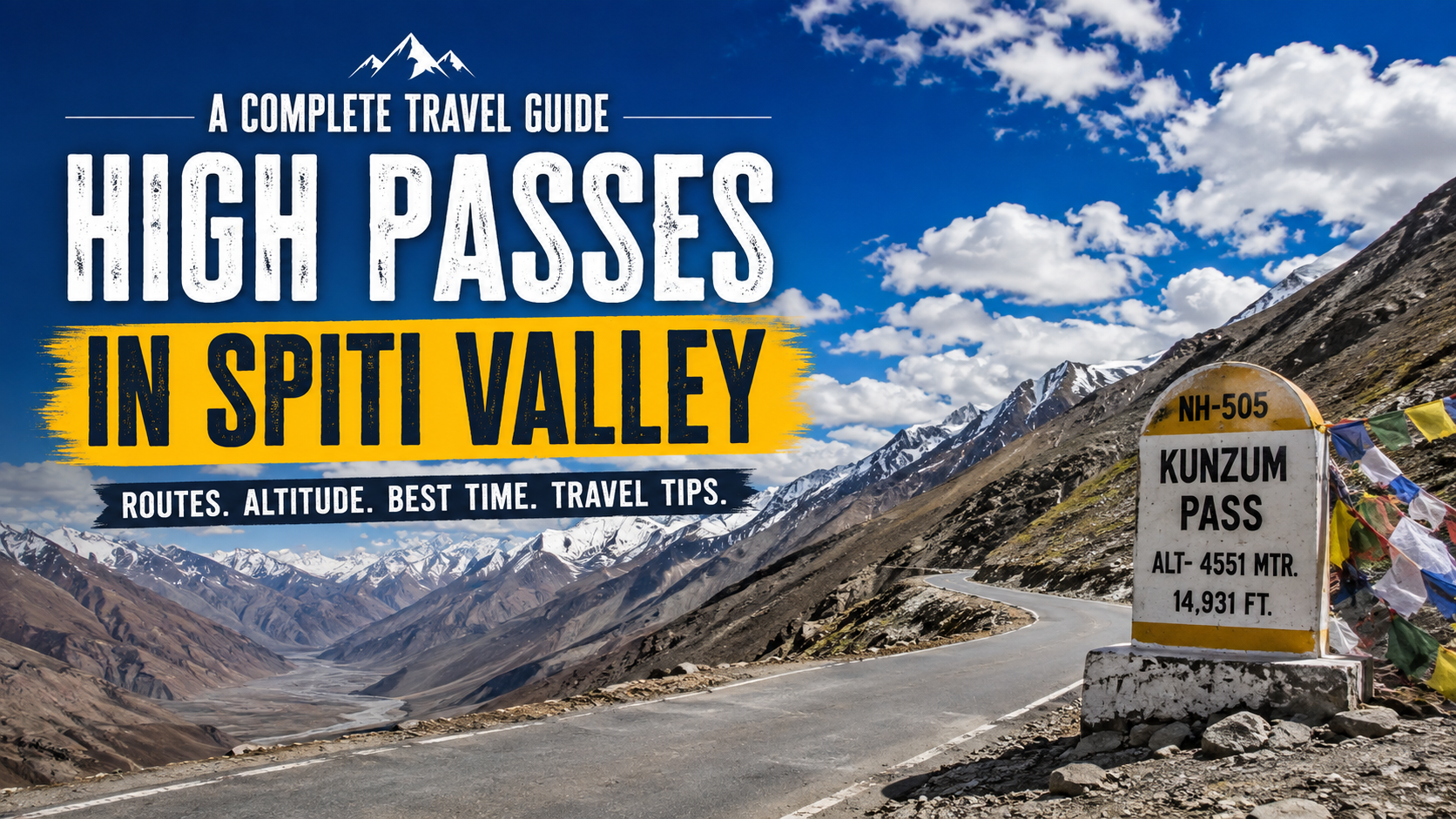
The Manali Route is closed. Rohtang Pass and Kunzum Pass are snowed in by heavy snowfall from around November and remain closed till next summer.
And the only way to go there is via Shimla. The route passes through Kinnaur, Narkanda, Rampur, Kalpa or RecKong Peo, Nako, and finally Kaza. This road is longer but climbs slowly in altitude, which also helps your body adjust better to the height.
Allow at least 2 to 3 days to reach Kaza from Shimla with overnight halts on the way.
Best Time to Visit for Winter Travel
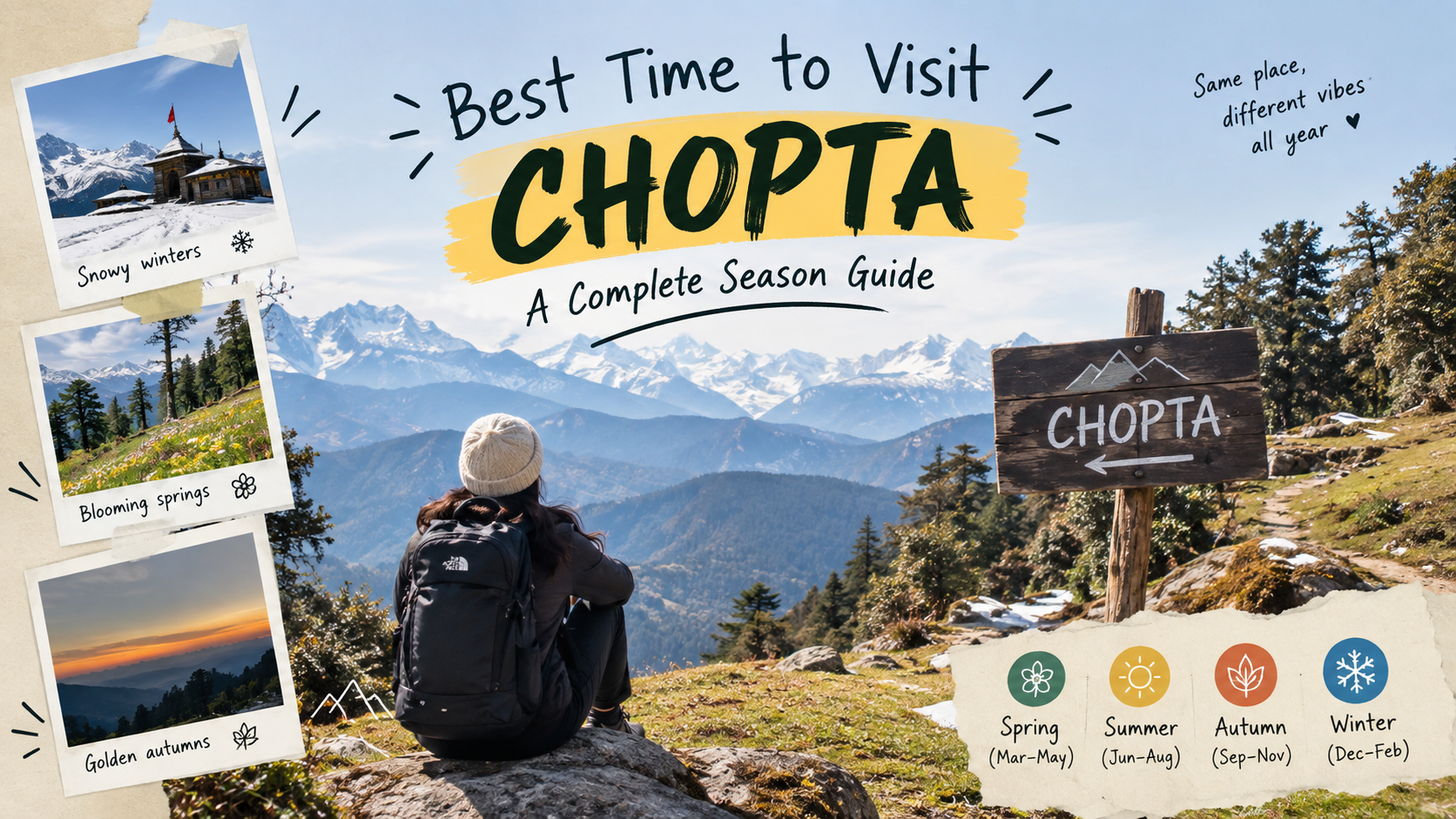
Winter in Spiti is from around late November to March, but not all months are the same.
December to February: Peak of winter with night temperatures falling to -20°C or below. This is also the best time to spot snow leopards.
March: It’s a bit warmer during the day, but the snow pack is still thick, so you get the winter look without the harshest cold.
During the height of winter, daytime temperatures in Kaza are usually between -5°C and 5°C, with nights falling well below -15°C. Some remote villages have even lower temperatures, so this isn't a trip to take lightly.
Top Places to Visit in Spiti This Winter
Kaza
The main town of Spiti and base for most of the trip. Kaza has basic markets, guesthouses even in winter, and cafes that stay open for travellers.
Key Monastery
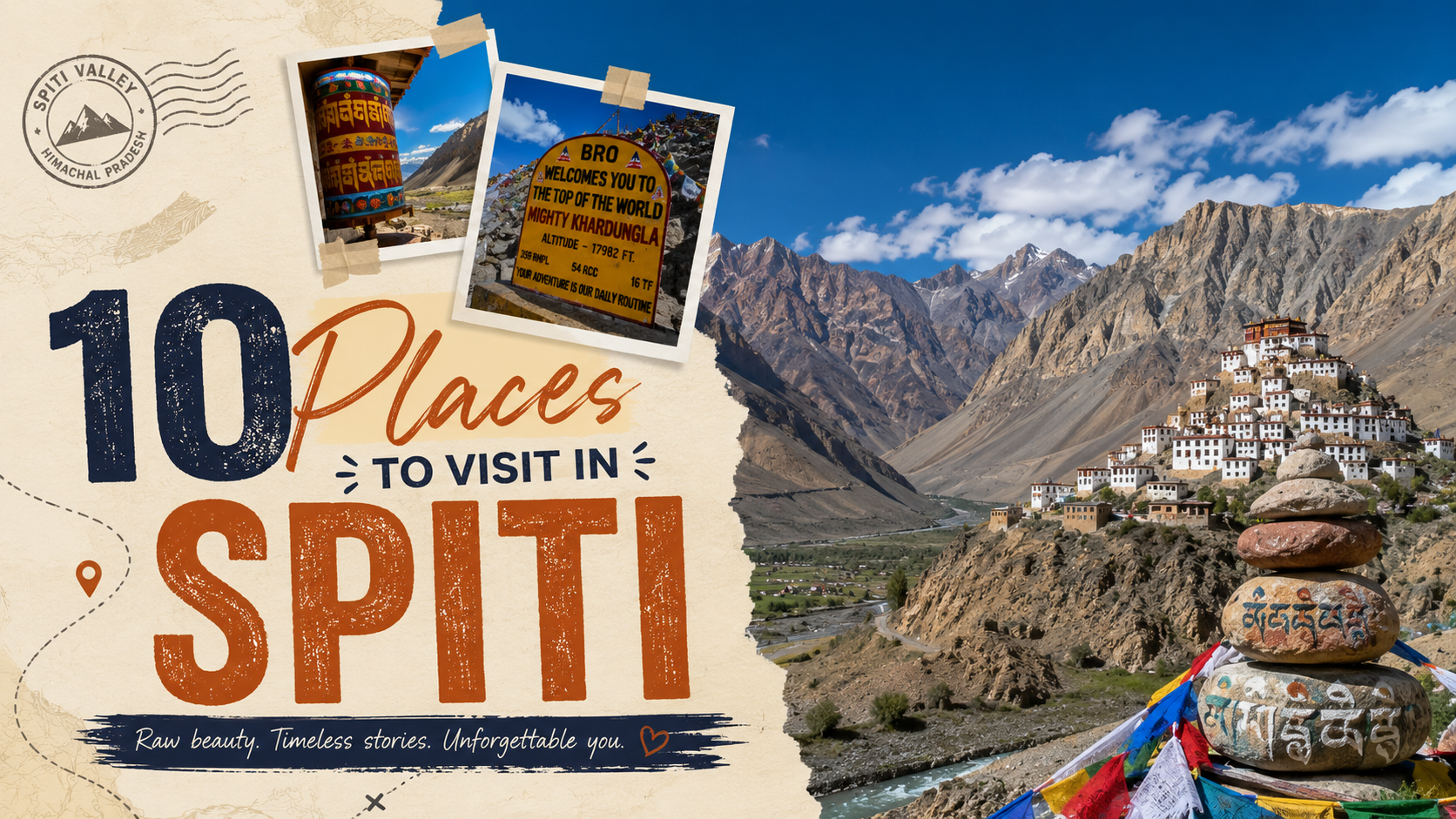
One of the oldest and largest monasteries in the area, perched on a hilltop overlooking the valley. Covered in snow, it looks even more dramatic than in the summer.
Kibber and Chicham
Connected by one of Asia’s highest bridges, the two villages are considered the best places in Spiti for snow leopard tracking, with local guides who know exactly where to look.
Tabo
It is often called the Ajanta of the Himalayas and is home to a 1,000-year-old monastery with old wall paintings. The winter mornings here are cold and quiet and absolutely still.
Langza and Komic
Two of the highest villages in the region, famous for fossils and for being among the most isolated inhabited places in the world. Peak winter is not the time of year for homestays to be open here.
Each of these places feels like a different world once the snow sets in.
Spotting the Snow Leopard
If there’s one reason serious wildlife travellers prefer winter to summer, this is it.
When the weather cools, snow leopards come down from the higher peaks in search of food, following blue sheep and other prey into the vicinity of villages such as Kibber. Local trackers who know the land and the habits of the animal can greatly increase your chances of seeing it.
A couple of honest points before you plan this:
Regardless of how good the trackers are, sightings are never guaranteed.
You might have to sit for hours at a time in freezing temperatures.
January and February usually have the best odds
What to Keep in Mind Before You Go
Winter Spiti is not a trip that you can wing. There are a few things that are more important here than on a regular holiday.
Check road conditions before you leave; the Kinnaur route can close for a while after fresh snowfall
Many homestays in smaller villages close down in winter, so make sure to check before you stay.
Carry cash, as ATMs are unreliable once you pass Kaza
Spiti night temperatures often require more than regular winter jackets, so layer up well.
Keep your phone and power bank warm. Extreme cold drains batteries fast
Add buffer days for travel for possible road delays
The cold here is a different sort of cold. Don’t underestimate it.
Planning the Trip
If you would rather not plan all of this yourself, especially the route, permits, and homestay bookings, it helps to travel with a group that already knows the terrain.
Voyagers Beat runs a Spiti Valley Tour Package (5N/6D) for travellers who want a shorter, well-planned winter trip and a longer Spiti Circuit Tour Package for those who want to cover the valley in more depth.
For official information, you can also check the Himachal Pradesh Tourism website and Incredible India for general travel guidance, the India Meteorological Department for weather updates, and the Border Roads Organisation for real-time road conditions in the Kinnaur-Spiti belt.
Conclusion
Winter in Spiti Valley is not for the faint of heart, nor is it meant to be. It demands a little more of you in terms of planning, patience, and warm clothing, but it rewards you with views and moments that summer Spiti simply cannot match.
If you are one of those people who wants to see India in its most extreme and most beautiful at the same time, this is the trip to add to your list.
FAQs
1. Is Manali to Spiti open in winter?
No, the Manali route is closed in winter as Rohtang Pass and Kunzum Pass are closed due to heavy snowfall. This time of year, the only way to get into Spiti is via Shimla and Kinnaur.
2. What is the best month to spot a snow leopard in Spiti?
The best months are January and February, as the cold pushes snow leopards down to lower levels near villages.