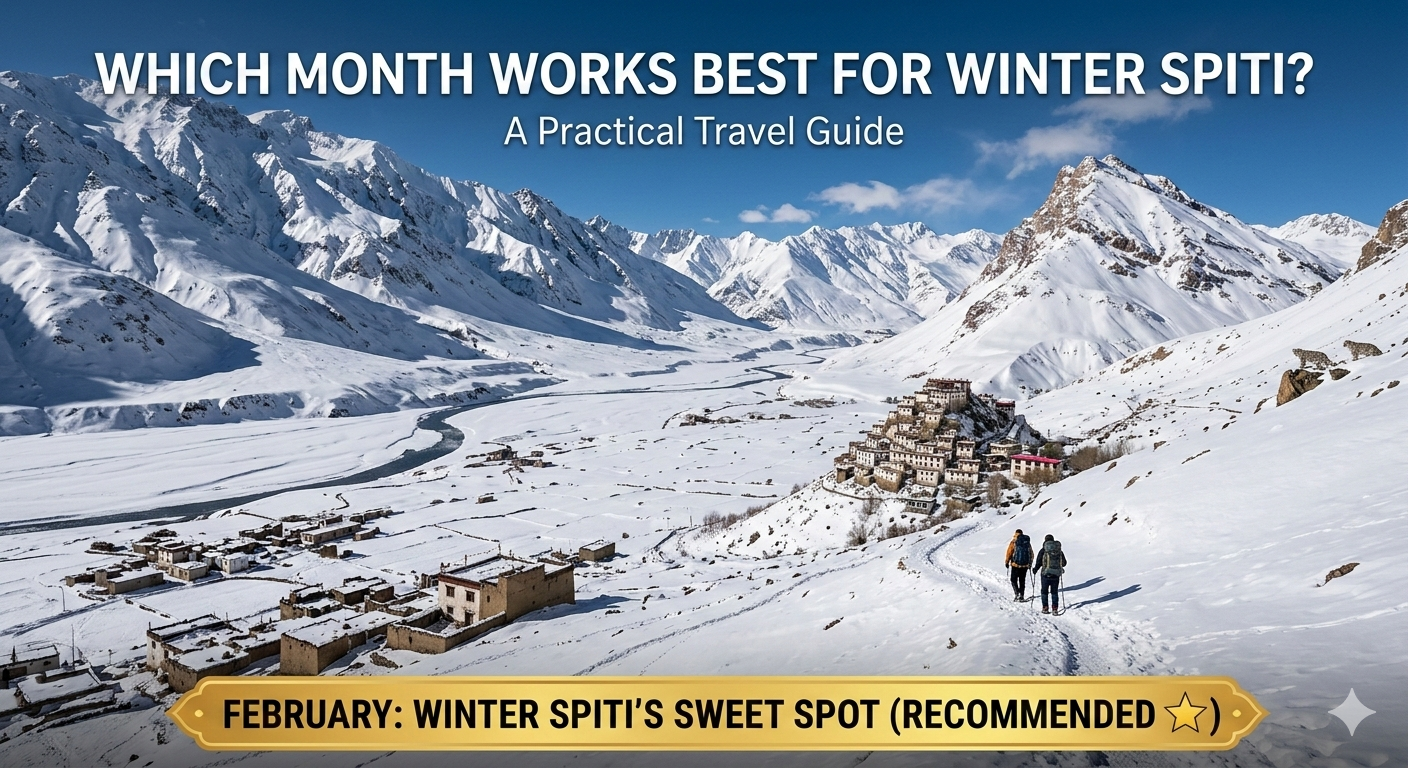
Which Month Works Best for Winter Spiti? A Practical Travel Guide
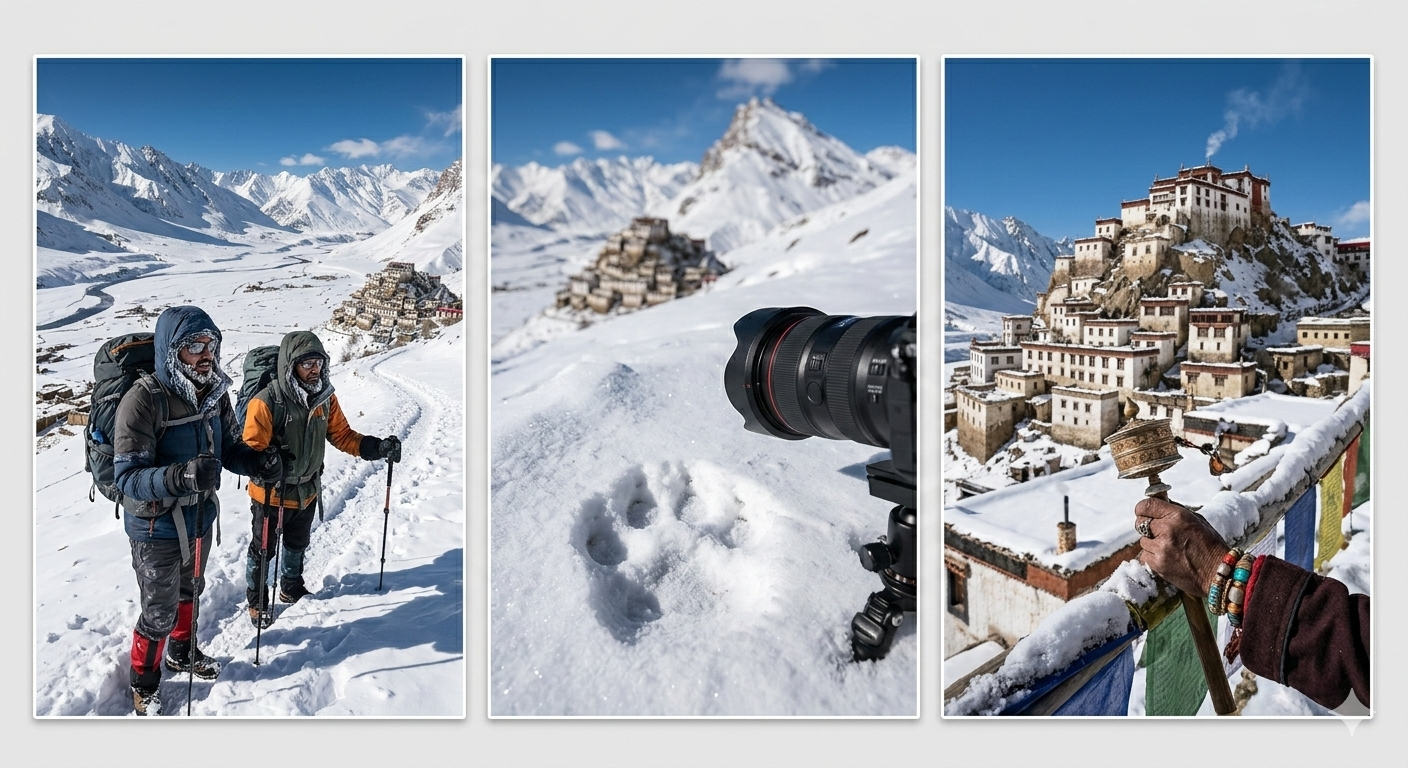
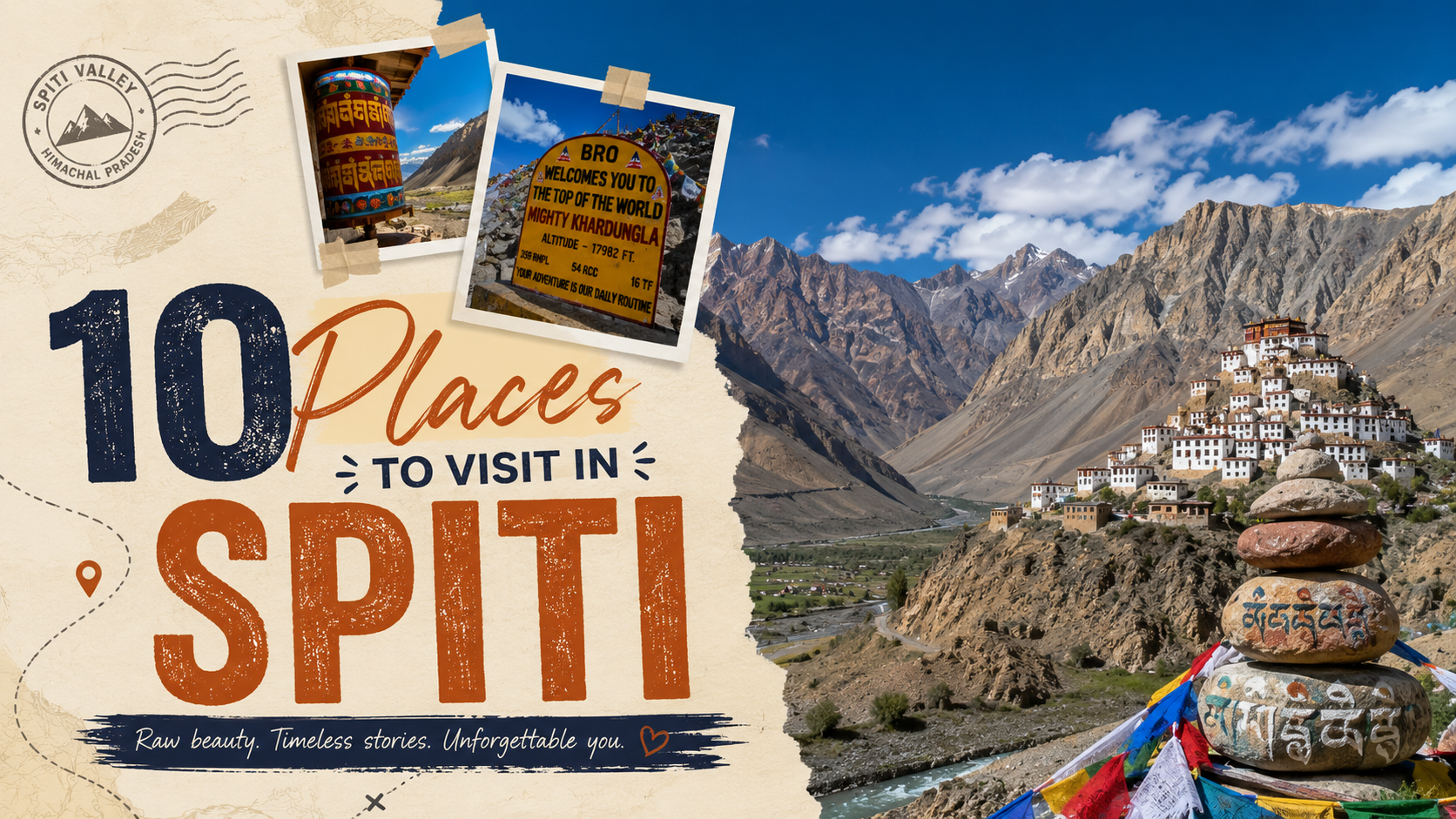
Spiti Valley, also known as the ‘Middle Land’ between India and Tibet, transforms into something magical during the winters, with the Himalayan desert covered with snow, snow-covered villages, frozen rivers, and a complete silence that can be found only here. If you’re planning a trip to Spiti Valley during the winter, then the question that comes up immediately is:
Which month would be the best for visiting Spiti Valley during the winters?
This guide will help you find the best month for your visit, along with the weather conditions that can be expected.
Why Time Winter in Spiti Right
Winter in Spiti Valley is more than just a season; it’s an experience. It shows the real face of Spiti Valley, away from the influx of tourists that visit the place during the summer.
What makes the winters special:
- Snow-covered monasteries and villages
- Frozen waterfalls and rivers
- Peaceful surroundings, with fewer tourists
- Sightings of Himalayan snow leopards
- An experience into the real Himalayan culture
Winter travel in Spiti Valley, however, requires proper planning.
Winter Months in Spiti Valley (November to March)
A month-wise guide that helps you select the vibe that best fits your travel mood.
November
The Quiet Start of Winter
Temperature ranges from 0°C to -15°C.
Winter slowly sets in with snowfall on the mountaintops, and the crowd dwindles.
Who it’s best for:
- Photographers
- Those who want a taste of winter without the real deal
- Those who want the roads to be accessible before the harsh snow sets in
Pros:
- Accessible roads via the Shimla route
- Cold, but not too cold
- Accommodation is budget-friendly
Cons:
- No snowfall scenes
Bottom line:
Perfect for first-timers.
December – When Snow Takes Reign
Temperatures range from a low of -5 degrees Celsius to a low of -20 degrees Celsius as winter really begins to set in. Villages are blanketed in snow, and the world outside is a frozen winter wonderland.
Ideal For:
- Snow enthusiasts
- Adventure enthusiasts
- Christmas and New Year vacations
What to Expect:
- Water may freeze in the pipes
- Power may be scarce in remote villages
- Picturesque monasteries blanketed in snow, almost too pretty to be real
- Adventure in abundance, yet easy to navigate
January – Spiti’s Coldest Peak (Best for the Extreme)
Temperatures fall to a low of -15 degrees Celsius and a high of -30 degrees Celsius. This is the frostbitten, extreme version of the Spiti Valley.
Why January is Special:
- New snowfall
- Picturesque, frozen vistas of the Spiti River
- A glimpse into the lives of the people in the area
Ideal For:
- Extreme travel enthusiasts
- Experienced backpackers
- Snow leopard trekkers
What to Watch Out For:
- Extreme cold
- Water scarcity
- Limited access to the area via the Shimla-Kinnaur highway
❄️ February – Winter Spiti’s Sweet Spot (Recommended ⭐)
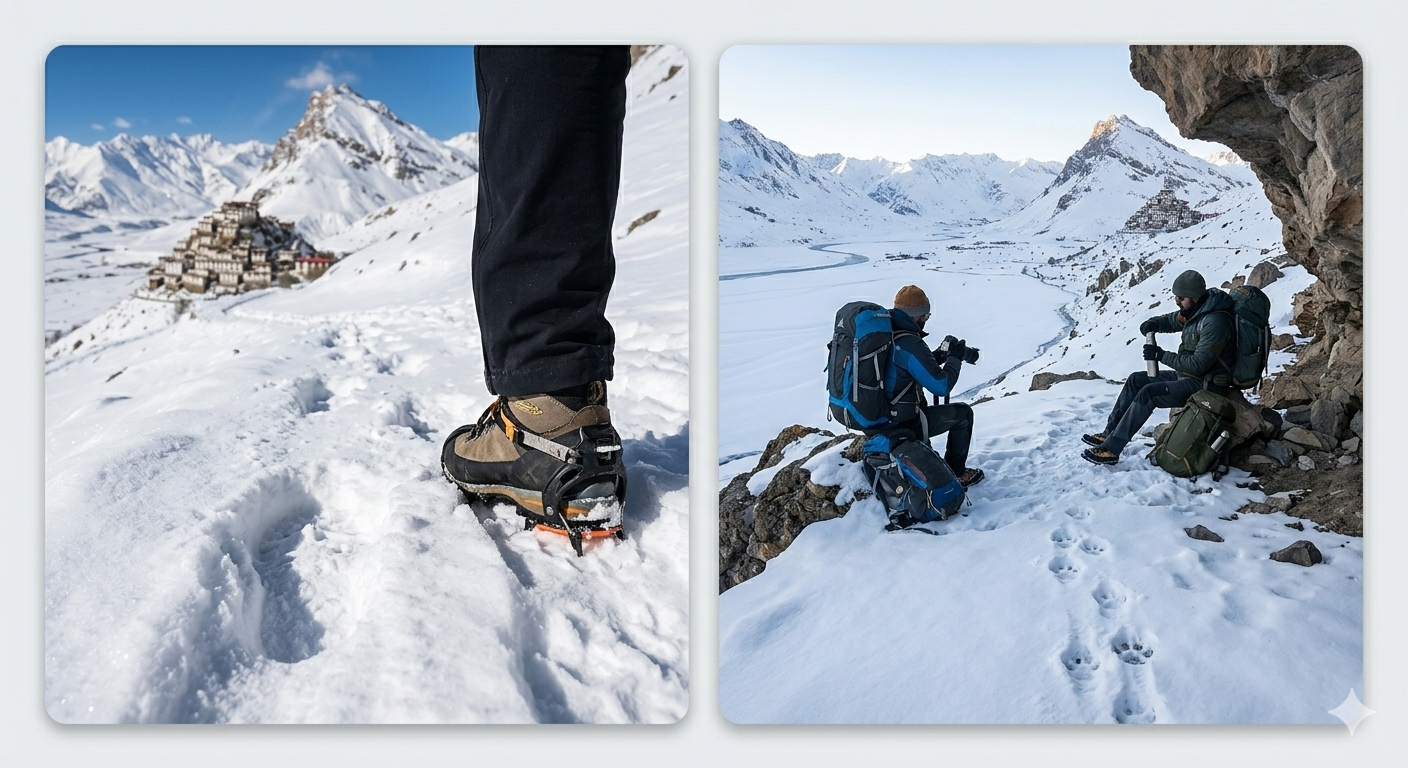
Temperature: -10°C to -25°C
February is considered the best time to experience Winter Spiti.
Reasons to consider February:
- Thick snowfall
- Stable weather compared to January
- Beautiful landscapes for photography
- Traveling is more predictable
In summary, February is the perfect mix of adventure and safety.
❄️ March – Winter Transitions to Spring
Temperature: -5°C to -15°C
March is the start of spring, and it does so gradually.
Recommended for:
- Comfortable travel in the winters
- Road travel with minimal risk involved
- Travelers looking to experience snow and avoid the cold weather
🏆 Which Month Works Best?
Travel vibe Top picks by month
- First winter trip - November / March
- Snow experience - December
- Extreme adventure - January
- Perfect balance ⭐ - February
- Photography - February / March
👉 February is the best month for most travellers to plan their trip to Winter Spiti.
How to Get to Spiti Valley in the Winter
The Manali route is closed due to excessive snowfall.
The only route available is the following:
Shimla → Kinnaur → Nako → Tabo → Kaza
Tips for the road
- Experience is key; hire experienced drivers or go with a group tour
- Opt for 4x4 whenever possible
Winter Spiti: Essential Items to Carry
Don’t underestimate the cold.
Must Carry:
- Heavy Down Jacket to withstand a temperature of -20°C
- Thermal Wear
- Waterproof Gloves and Boots
- Wool Socks and Balaclava
- Sunglasses to fight the snow glare
- Power Bank and Torch
- Personal Medicines
Layering is the key to surviving Spiti in winter.
Important Travel Tips for Winter Spiti
- Acclimatize well to avoid altitude sickness
- Drink plenty of water, even in freezing temperatures
- Carry enough cash, as ATMs may not function
- The network may not be available at times
- Respect local culture and environment
Final thoughts
Winter Spiti is not a place for the pampered traveler; it is an adventure that tests your resolve and repays you with the stark beauty of the Himalayas.
If you’re looking for the best combination of snowfall, accessibility, and otherworldly beauty, plan a visit for February.
But whenever you go, Winter Spiti promises quiet, stars aplenty, and a story to tell.