
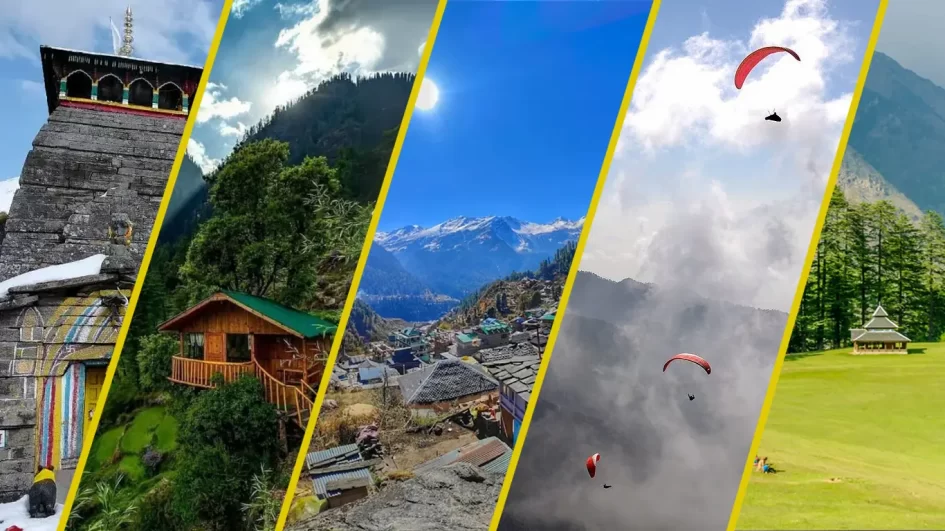
Winter weekend trips from Delhi tend to crowd into the same few places. Travel guides describe the Manali–Solang–Atal Tunnel road jamming for hours in holiday weeks (retrieved 2026-11-17). If you would rather spend the weekend in a village than in a queue, there are quieter valleys within the same overnight drive.
This post covers five of our 2N/3D departures: Chopra with Sari and Deoria Tal, Jibhi and Tirthan, Kasol with Tosh, Barot with Bir, and Shangarh in the Sainj Valley. Package details (prices, inclusions, itineraries) come from our own listings as they stood on 2026-11-19. Road and snow notes come from the public sources linked in each section. We have summarized both, and conditions change, so confirm them before you travel.
The five at a glance
| Village | State | Starting (quad / triple / double) | Highlight | Winter risk |
|---|---|---|---|---|
| Chopta and Sari | Uttarakhand | ₹5,000 / ₹5,250 / ₹5,500 | Tungnath, Chandrashila, Deoria Tal | Snow on the Chopta road; stays can close |
| Jibhi and Tirthan | Himachal | ₹6,000 / ₹6,300 / ₹6,500 | Jalori Pass, Serolsar Lake | Jalori Pass closes; 4×4 only |
| Kasol, Tosh and Kutla | Himachal | ₹6,500 / ₹7,000 / ₹7,500 | Tosh and Kutla treks, Manikaran | Road to Tosh can close after snow |
| Barot and Bir | Himachal | ₹7,000 / ₹7,500 / ₹8,000 (couple) | Uhl river, Rajgunda Valley, Bir | Landslides on the valley road |
| Shangarh and Sainj | Himachal | ₹8,000 / ₹8,500 / ₹8,999 | Meadow, Pundrik Rishi Lake | Possible ice on the last stretch |
All prices are per person, Delhi to Delhi, plus 5% GST.
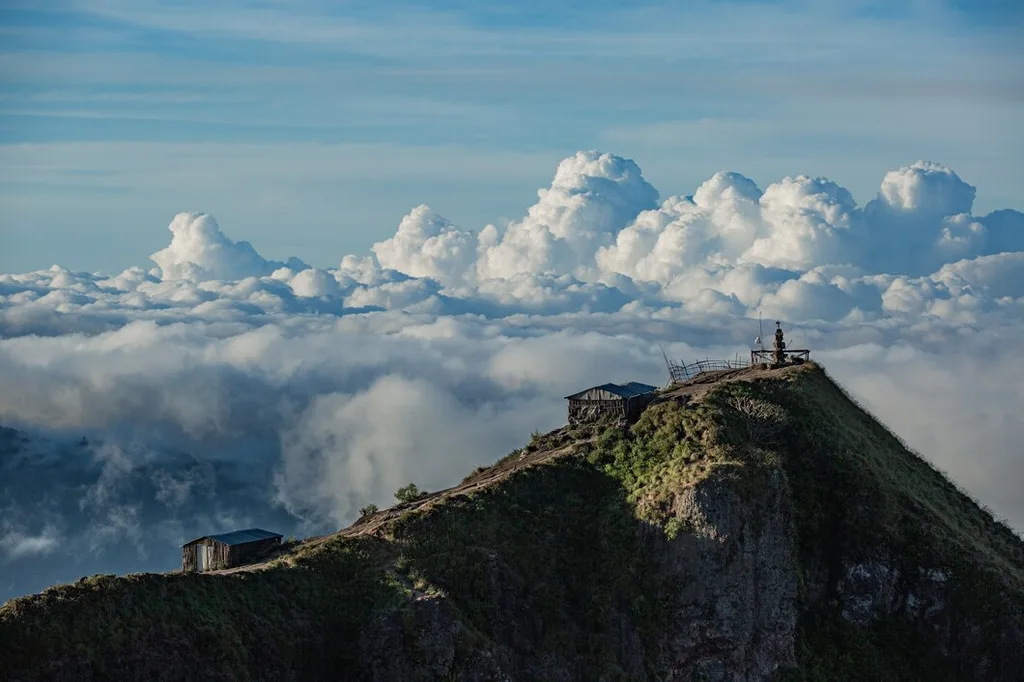
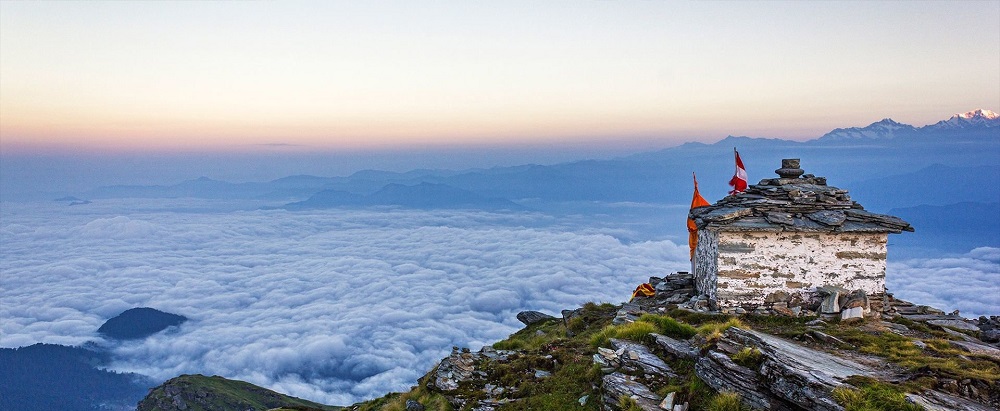
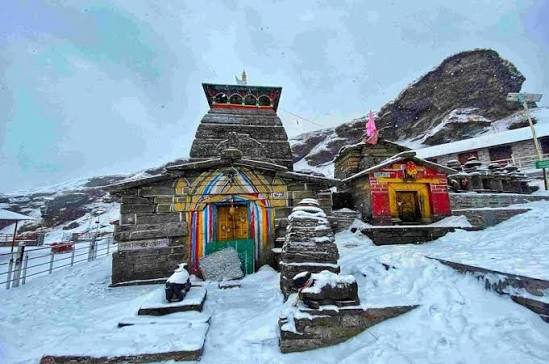
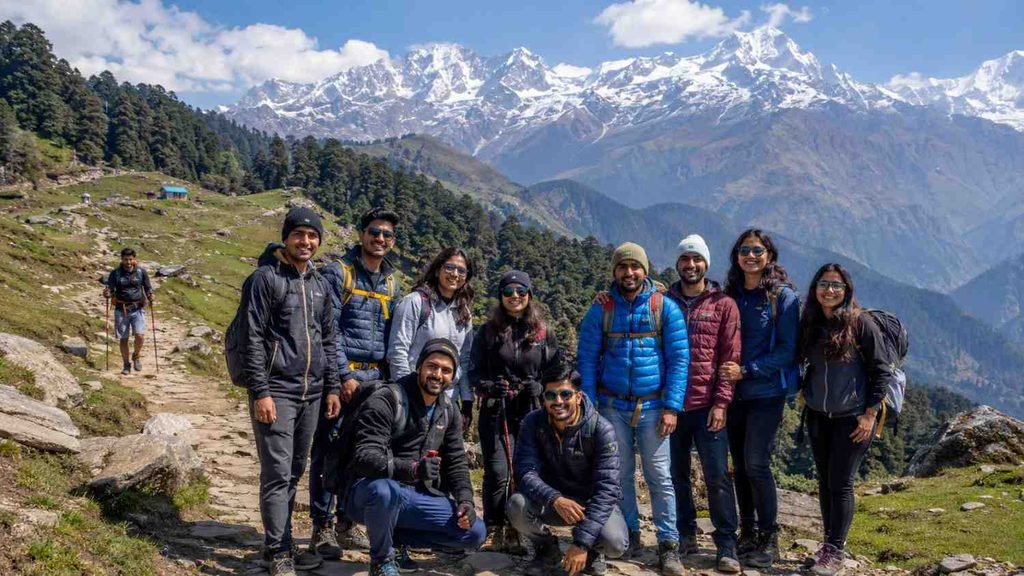
1. Chopta Tungnath, Chandrashila and Deoria Tal
This is our cheapest weekend and the one with the most walking. The Chopta Chandrashila Trek 2N/3D starts at ₹5,000 for quad sharing, ₹5,250 for triple and ₹5,500 for double.
The plan. You leave Delhi overnight and stop at Devprayag, where the Bhagirathi and Alaknanda meet, then reach Chopta by noon on Day 1. After check-in there is a short Baniyakund walk. Day 2 is the Tungnath trek (listed as 7 km), the world’s highest Shiva temple at about 3,680 m, and Chandrashila if weather and time allow. Day 3 takes you to Sari village for the easy trek to Deoria Tal, then a stop in Rishikesh for dinner and the overnight drive home.
What is included. Two nights in camps or cottages, two breakfasts and two dinners, a bonfire with music (weather permitting), a trip manager and sightseeing as per the itinerary. Adventure activity charges are extra. The listing gives about 450 km and 12–14 hours from Delhi to Chopta.
Winter reality. Our listing says the trek stays accessible through November to January, but calls winter conditions challenging and asks for proper gear. Independent guides add that the Chamoli–Chopta road can close after heavy snow, and that accommodation at Chopta and Tungnath is largely closed in deep winter. Sari tends to be the base when Chopta is snowed in (Retrieved 2026-11-17). Ask us which stay is running on your dates. For the season-by-season picture, see our best time to visit Chopta guide.
We also run a festive-season Chopta departure at a higher price, which keeps the stay in Chopta and goes straight to the 14 km Tungnath–Chandrashila day without the Deoria Tal leg.
Best for: first-time trekkers, groups of friends and anyone who wants a summit and a lake in one weekend.
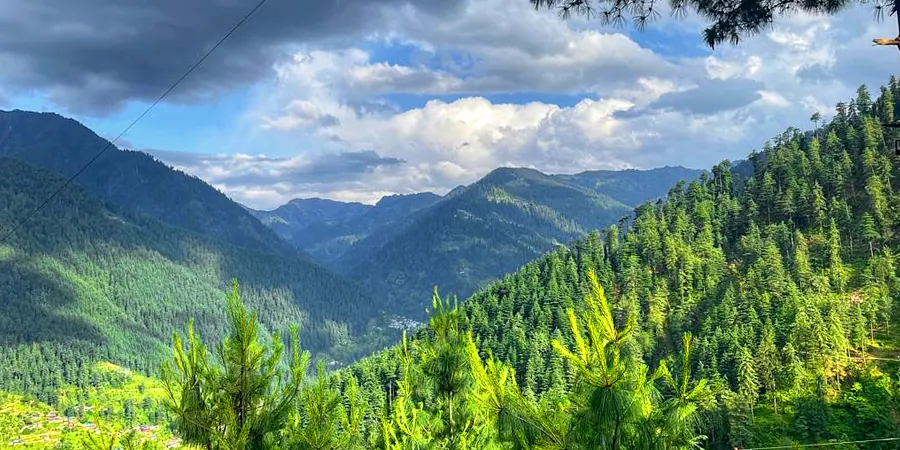
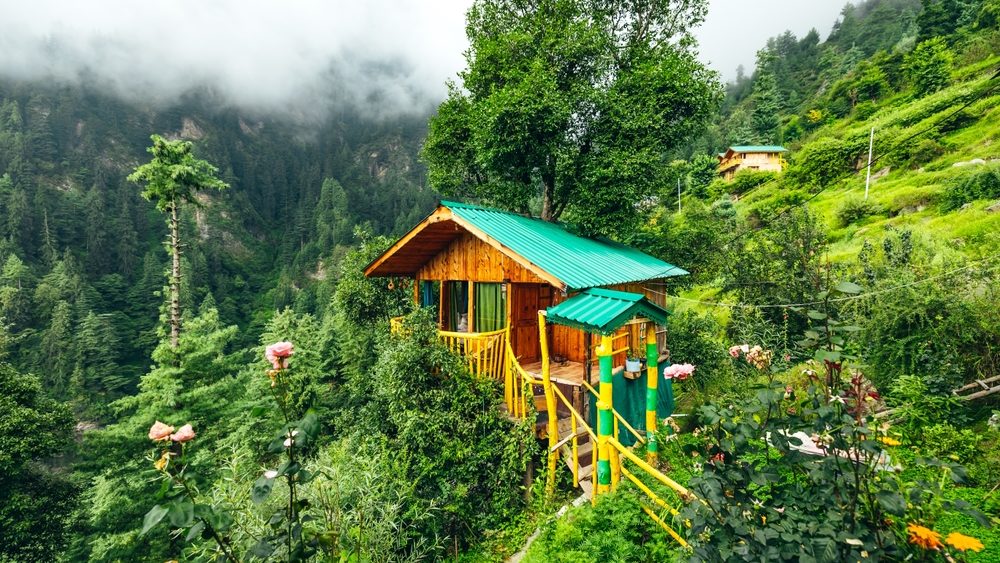
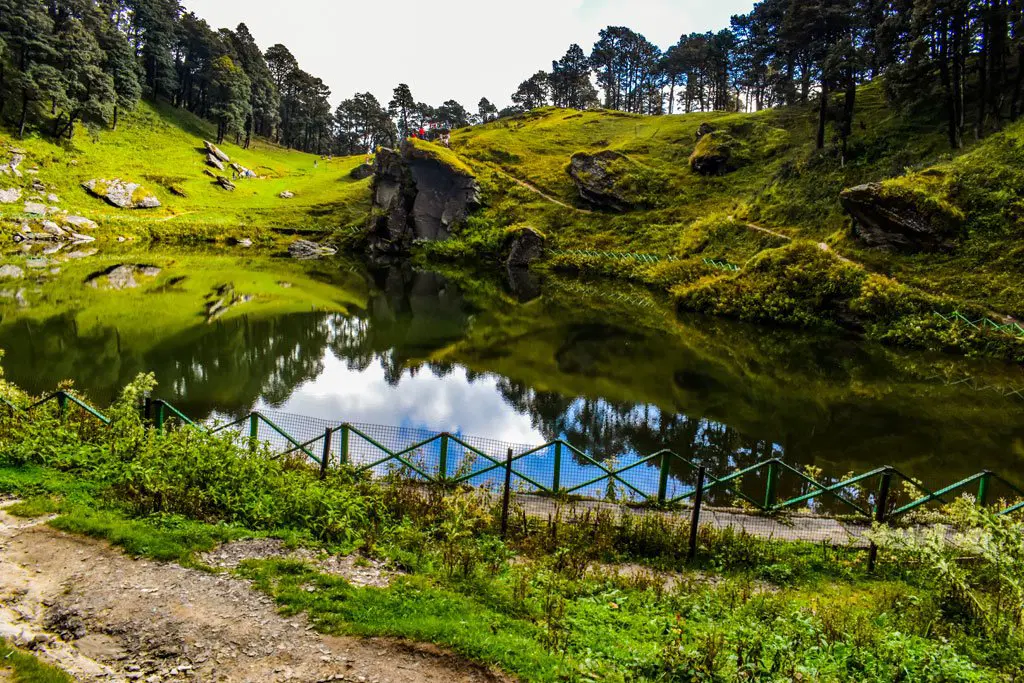
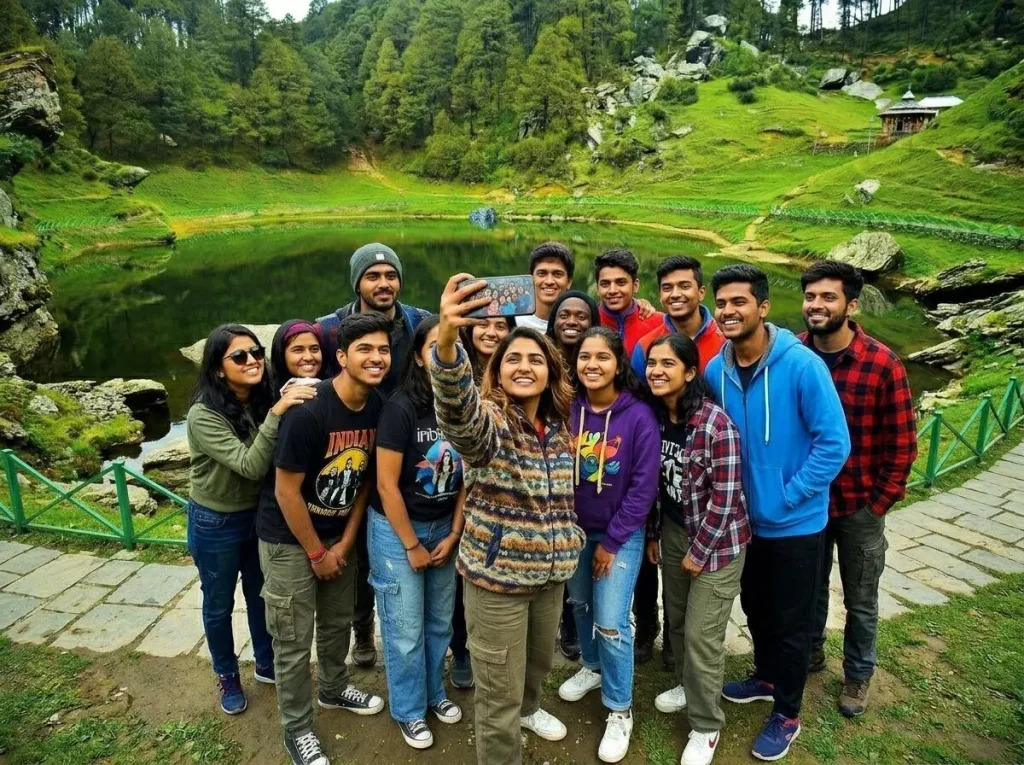
2. Jibhi and Tirthan: wooden cottages and Jalori Pass
Jibhi is the one to pick if you want to stop moving. The Tirthan Jibhi Jalori 2N/3D is priced at ₹6,000 quad, ₹6,300 triple and ₹6,500 double.
The plan. The group assembles at Majnu Ka Tila around 8 PM, with a Chandigarh pickup after 1:30 AM. On Day 1 you reach Jibhi by morning and walk to Jibhi Waterfall and the Mini Thailand pool, with café time in Tirthan Valley and a bonfire in the evening. Day 2 is Jalori Pass, a 12 km, one-hour drive via Shoja, then an easy 5–6 km trek to Serolsar Lake or Raghupur Fort. Day 3 starts with sunrise, then a drive toward Tirthan Valley and a 1 km walk to Choi Waterfall before you head back, reaching Delhi around 6–7 AM.
What is included. AC bus or Traveller transport, two nights in cottages or hotels, four meals (Day 1 dinner, Day 2 breakfast and dinner, Day 3 breakfast), bonfire, a team captain and 24×7 support. Lunch, heater charges, entry fees and winter 4×4 vehicles are excluded.
Winter reality. The listing itself notes that only a 4×4 can reach Jalori Pass in winter. Independent sources agree: the approach to Jibhi stays open all year, but the pass section above Shoja generally runs April to November and closes in peak winter (Retrieved 2026-11-17). Delhi to Jibhi is about 500 km, with the turn-off just before the Aut Tunnel, which you do not enter.
Best for: couples, writers, remote workers and anyone who wants river sounds and slow mornings.
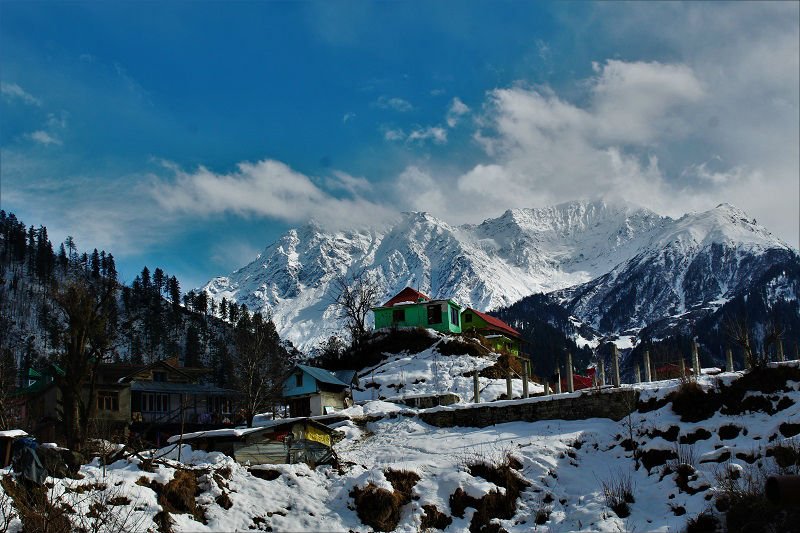
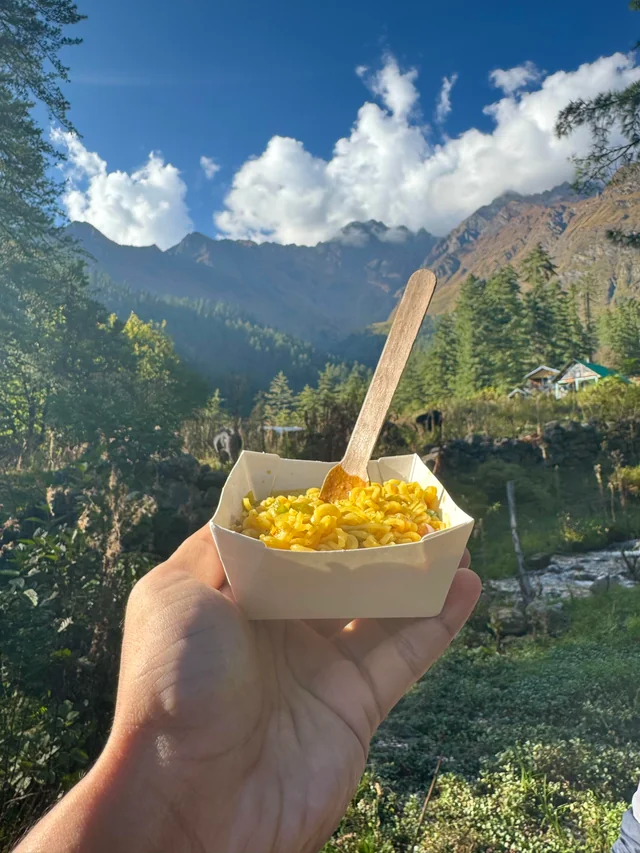
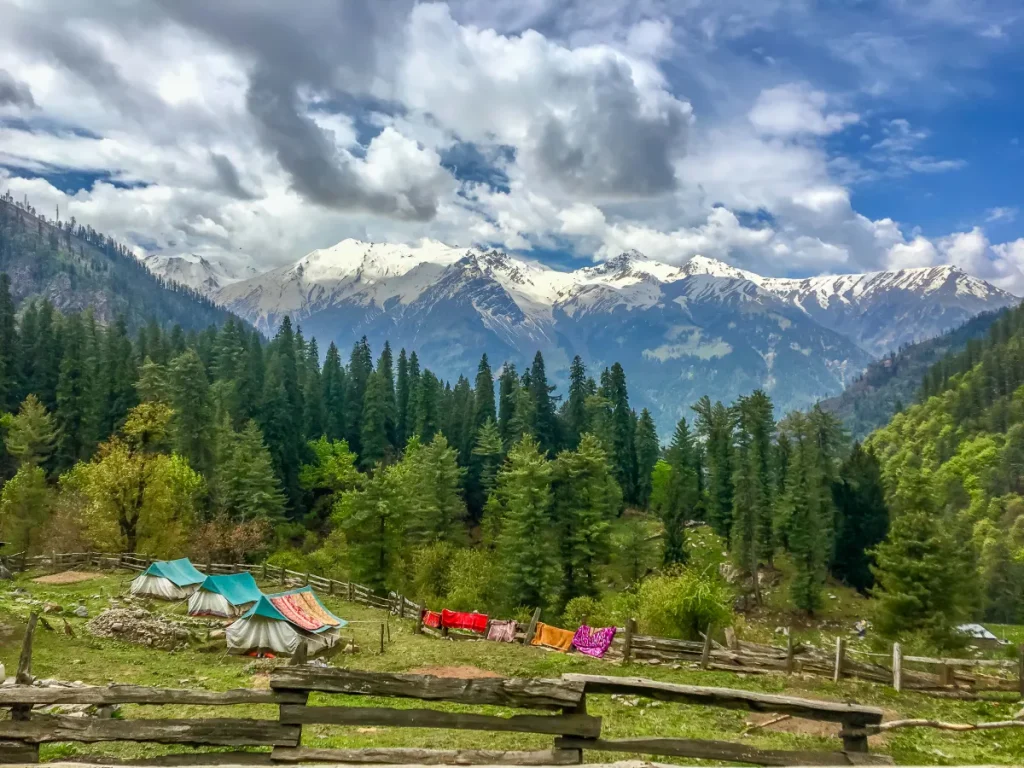
3. Kasol, Tosh and Kutla: the Parvati Valley without the crowds
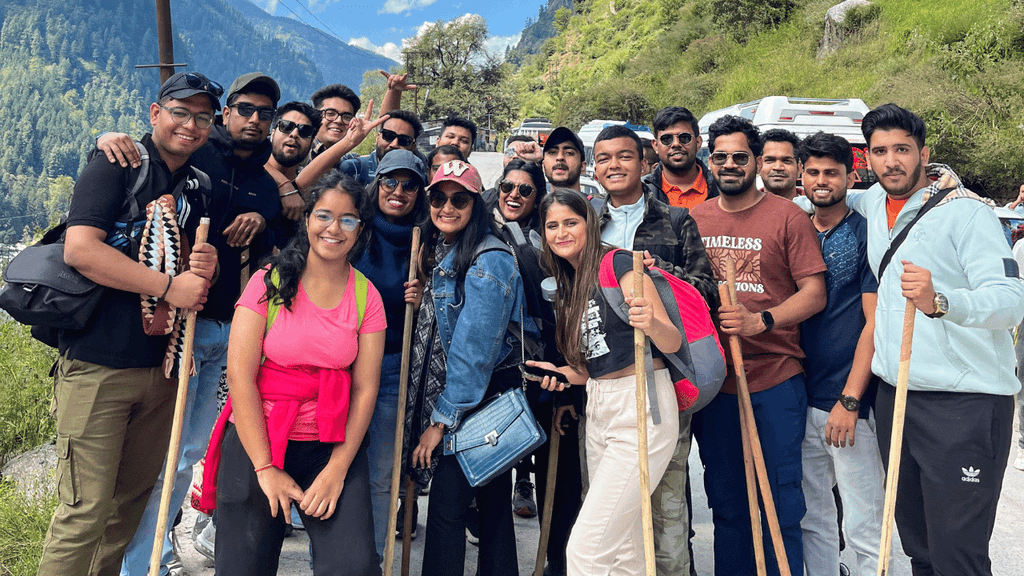
Most people stop at Kasol. This trip goes higher. The Kasol Tosh Kutla 2N/3D is priced at ₹6,500 quad, ₹7,000 triple and ₹7,500 double. It appears in our menu as Kasol–Tosh–Manikaran, and Manikaran is on the Day 3 route.
The plan. Pickup is at 7 PM from Majnu Ka Tila, with a Chandigarh pickup too. Day 1 is Kasol: the Chalal trek, the Parvati river, cafés and a bonfire. On Day 2 a cab takes you to Tosh Bridge, followed by a short walk into the village (porters are available at your own cost). From there you do the Tosh waterfall and the steep trek to Kutla, then stay overnight at Tosh or Kutla. Day 3 is the walk down, a cab to Kasol with a stop at Manikaran Sahib Gurudwara and the Shiva temple, then the evening bus to Delhi.
What is included. Travel by AC Deluxe bus or Volvo, one night in Kasol (hotel or Swiss camps), one night in Tosh or Kutla (hotel or tents), four meals, bonfire, a team captain and tolls. Lunch, heater charges and winter 4x4s are excluded. Tosh sits at about 7,874 ft.
Winter reality. Heavy snow can stop buses short of Barshaini, the road gateway to Tosh, and only smaller vehicles may get through (Vargis Khan, retrieved 2026-11-17). Snow in Kasol town is possible but not guaranteed, with late December to February the better window, and the real snow sits higher in villages like Tosh and Grahan (Retrieved 2026-11-17). If you want a Manali add-on, compare it with our Manali–Kasol vs Auli–Joshimath winter weekends.
Best for: backpackers, café people and photographers who do not mind the cold.
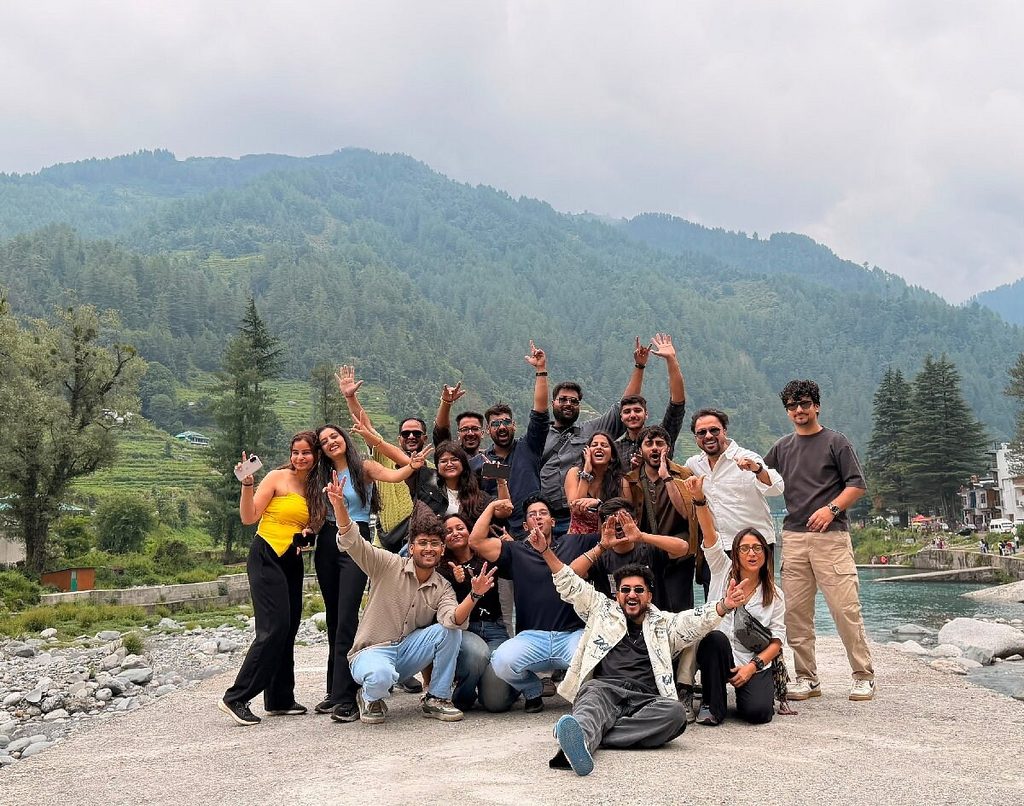
4. Barot and Bir: a river, trout and a quiet valley
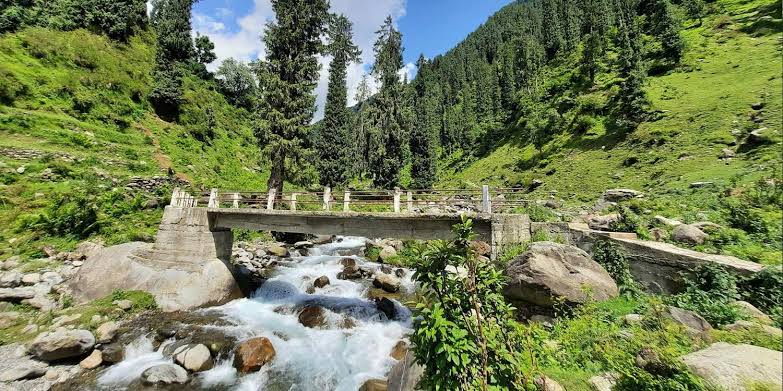
Barot is the longest drive of the five, so it suits people who want to arrive, settle and stay still. The Bir Barot Valley 2N/3D starts at ₹7,000 quad, ₹7,500 triple and ₹8,000 couple sharing.
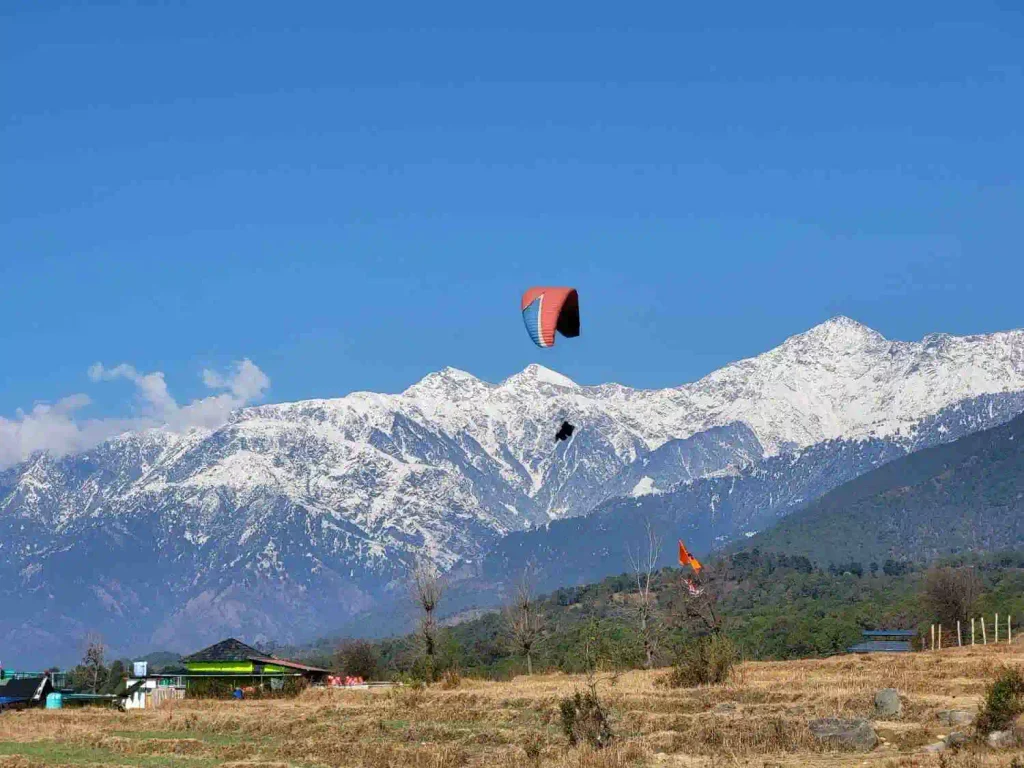
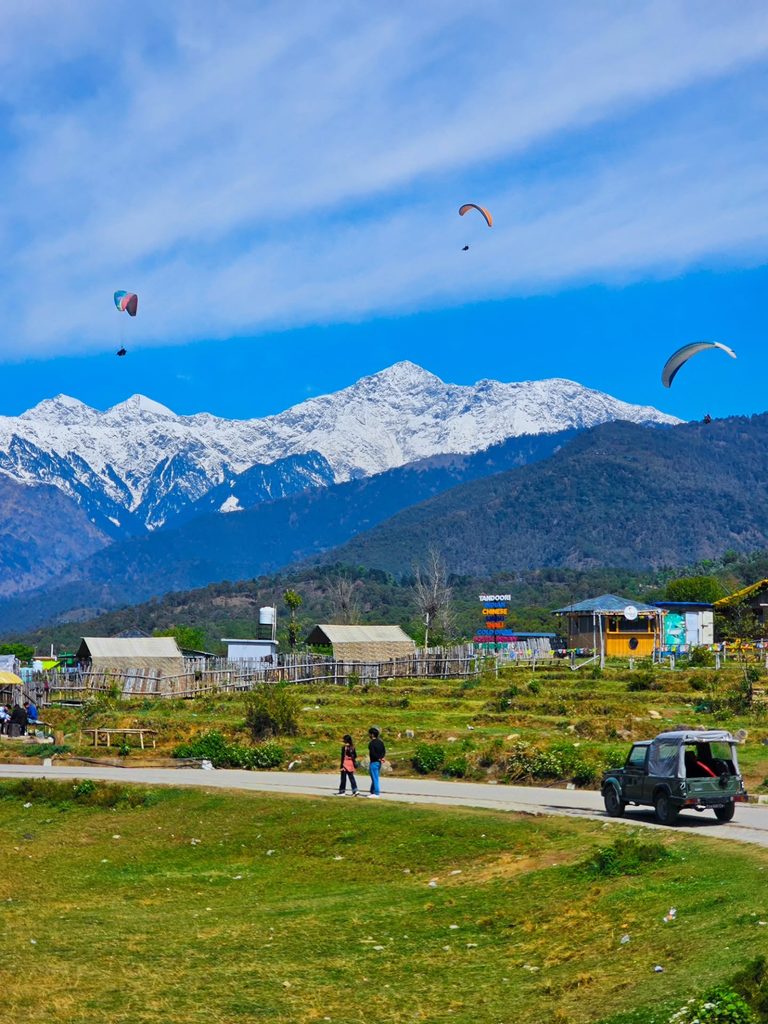
The plan. After an evening departure, Day 1 is Barot: the Lapas Waterfall, the Batty House and natural fountain, and the Shanan hydel project dam, with cafés along the way. On Day 2 you leave for Bir via the Barot zero point and Rajgunda Valley, known for its wide meadows, wooden houses and Himalayan views, then stay overnight in Bir. Day 3 heads to the Billing paragliding take-off site, followed by Chokling Monastery, Bir Market and café time before the evening departure.
What is included. One night in a Barot hotel and one in Bir, four meals (two breakfasts and two dinners), AC vehicle transfers, sightseeing as per the itinerary, bonfire with music and a tour curator. Entry tickets to viewpoints and GST are excluded. The itinerary mentions the take-off site but does not list the paragliding flight in the inclusions, so ask whether it is covered.
Winter reality. A public guide puts Delhi to Barot at about 530 km and 13–14 hours, with the village roughly 25 km off NH-20 (Retrieved 2026-11-17). Barot sees real snowfall from December to February, and landslides can block the road for uncertain periods (Retrieved 2026-11-17). Ask us how we handle a blocked road before you book.
Best for: anglers, solo travellers and anyone who prefers silence to sightseeing.
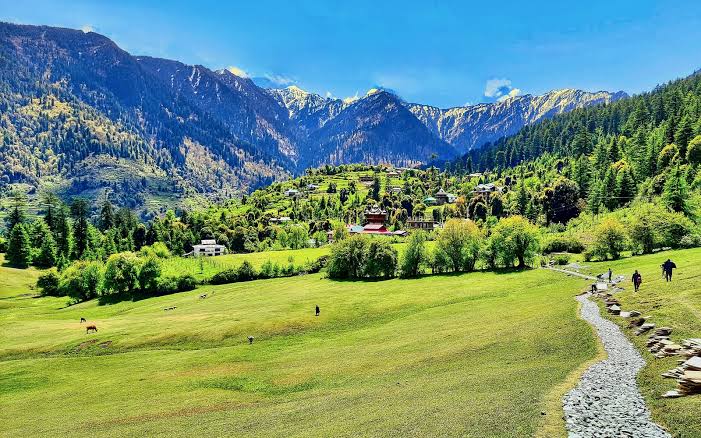
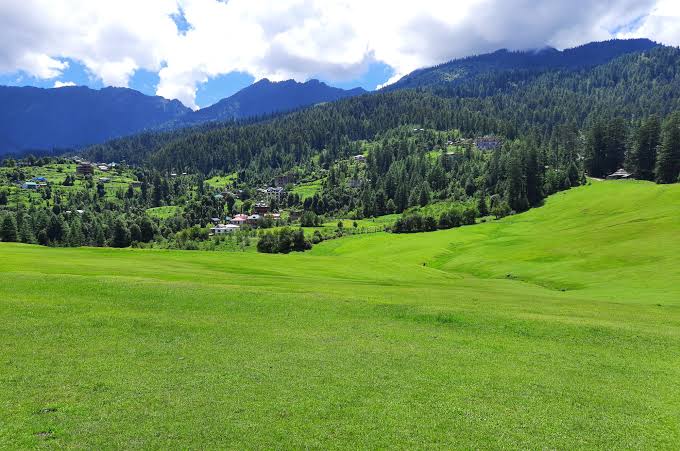
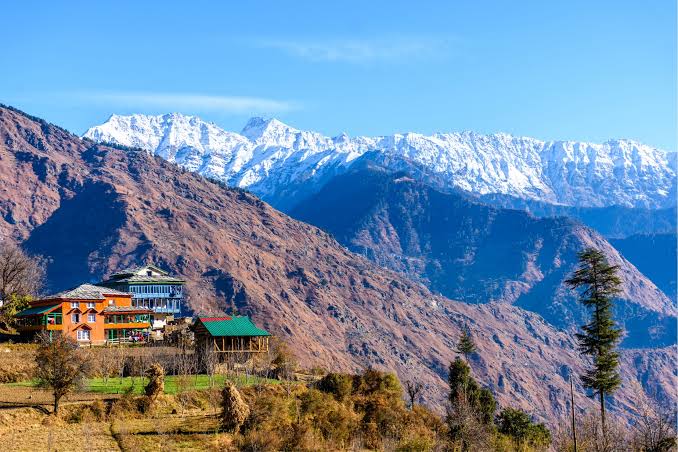
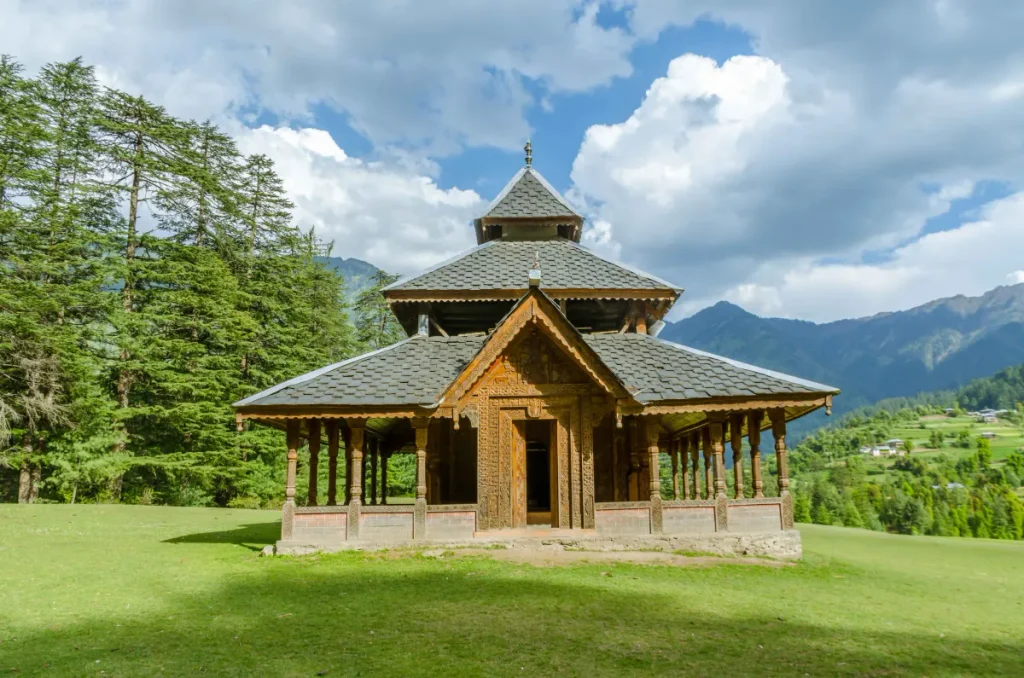
5. Shangarh and Sainj: the meadow where the road ends
Shangarh is the quietest of the five, and the most expensive. The Sainj & Shangarh 2N is priced at ₹8,000 quad, ₹8,500 triple and ₹8,999 double, with weekend batches listed through December and a 30 December–3 January departure.
The plan. You assemble in the evening at the Delhi or Chandigarh pickup and reach Shangarh by morning. Day 1 covers the Barshangarh waterfall and the Shangchul Mahadev Temple. Day 2 is the Pundrik Rishi Lake trek through the meadows, described as a short and easy hike, followed by a temple visit. Day 3 has a 1 km hike to the Rupi Raila waterfalls, the Sainj Market and the Lakshmi Narayan Temple, then departure from Aut around 7 PM.
What is included. Travel by AC Tempo Traveller or Volvo, two nights in cottages or camps, meals, bonfire and music, a team captain and tolls. The listing says four meals but names only three (Day 1 dinner, Day 2 dinner, Day 3 breakfast), so confirm the meal plan. Lunch, treks, guides, local taxis and adventure activities are excluded.
Winter reality. Shangarh sits at about 2,100 m on the edge of the Great Himalayan National Park. Winter brings moderate snow and very few visitors, and the valley road is described as open year-round with possible ice at the end (Retrieved 2026-11-17). There are no fuel stations inside the valley, so fill up before Aut (Retrieved 2026-11-17).
Best for: people who want solitude, short walks and temples over adventure activities.
Compare the five
| If you want… | Choose |
|---|---|
| The lowest fare and a summit | Chopta and Sari |
| Forest cottages and a slow weekend | Jibhi and Tirthan |
| Cafés plus a village trek | Kasol, Tosh and Kutla |
| River, trout and paragliding country | Barot and Bir |
| Meadows, temples and the fewest crowds | Shangarh and Sainj |
How to plan around winter weather
The terms on all five listings are similar, and they matter in winter:
- 4×4 vehicles are not provided, and the cost falls to you if you need one.
- Extra costs from natural calamities, road closures and forced circumstances are not covered.
- If weather cancels an activity, we try to arrange an alternative, but no refund is given for the activity.
- The advance amount is non-refundable. Our cancellation table allows free cancellation and batch shifting only well ahead of departure (about 30 days or more), then deducts 25%, 50% and 100% as the date nears.
- Hot water is not promised, and the AC may be switched off in the hills.
So add a buffer day, avoid fixed commitments on the morning you land back in Delhi, and check road status the day before. Local hosts usually know before any website does.
Frequently asked questions
Which of these is cheapest?
Chopta and Sari at ₹5,000 for quad sharing, then Jibhi at ₹6,000, Kasol–Tosh at ₹6,500, Barot at ₹7,000 and Shangarh at ₹8,000. All exclude 5% GST and lunch.
Which has the best chance of snow?
Chopta and Barot see snow in the main winter months, Tosh can get heavy snow, and Shangarh gets moderate snowfall. Jibhi itself is milder, and Jalori Pass is the snow stop when it is open. Nothing is guaranteed on a given date.
Are these good for beginners?
Yes for most fit travellers. The Tosh–Kutla climb is steep, Tungnath–Chandrashila is a full day, and Deoria Tal, Serolsar Lake and Pundrik Rishi Lake are easier walks. Anyone with asthma or similar conditions should check with a doctor first.
Can I combine two of these?
Jibhi and Shangarh share the Aut turn-off, so they pair well on a longer trip. The others are in separate valleys, so they need separate weekends.
Conclusion
You do not need a long holiday to find a quieter Himalayan village. Pick Chopta and Sari for the lowest fare and a summit, Jibhi for cottages and slow mornings, Tosh for the café-and-peaks mood, Barot for river silence and Shangarh for solitude. Whichever you choose, confirm the stay, keep a spare day and check the road before you leave. Tell us which one you picked and how the snow looked.
Prices, itineraries and road conditions change quickly. Package details were taken from our listings on 2026-11-19, and third-party notes were retrieved on 2026-11-17. Recheck before you book.

Leave a Reply