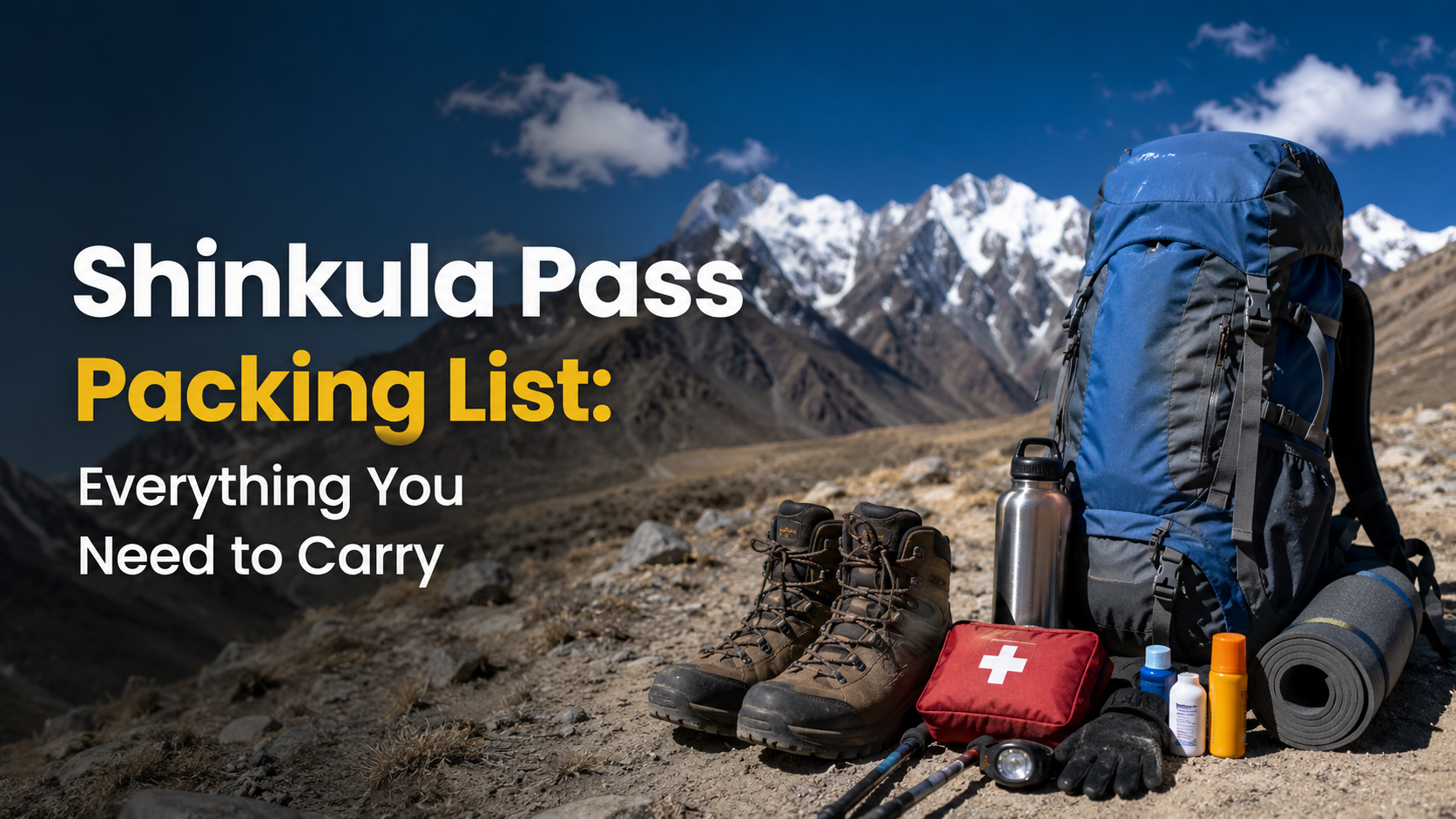
Shinkula Pass Packing List: Everything You Need to Carry
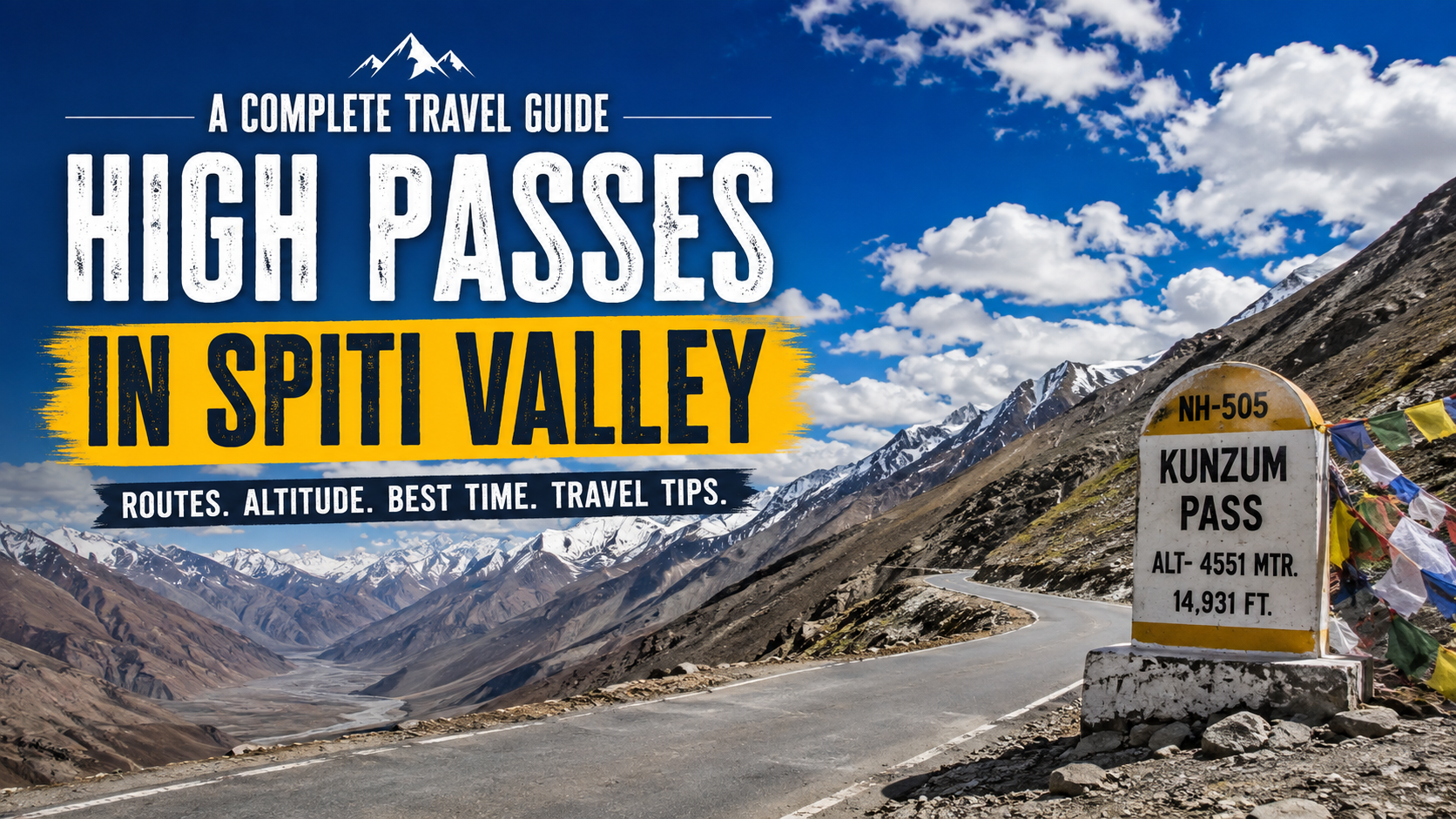
Shinkula Pass is no ordinary mountain road. At 16,580 feet, this high-altitude pass on the Manali-Zanskar highway connects Himachal Pradesh with the Zanskar Valley in Ladakh - and is as raw and remote as they come.
We have run groups through Shinkula many times at Voyagers Beat , and the one thing we see, over and over, is Not ready; people are coming. We’ve literally witnessed travelers turn around at the pass because they had the wrong shoes on. Don’t be that guy.
Here's our complete Shinkula Pass packing list - based on real experience, not just a Google search.
1) Gear & Bags
Before you start packing your clothes in a bag, make sure you have the right bags.
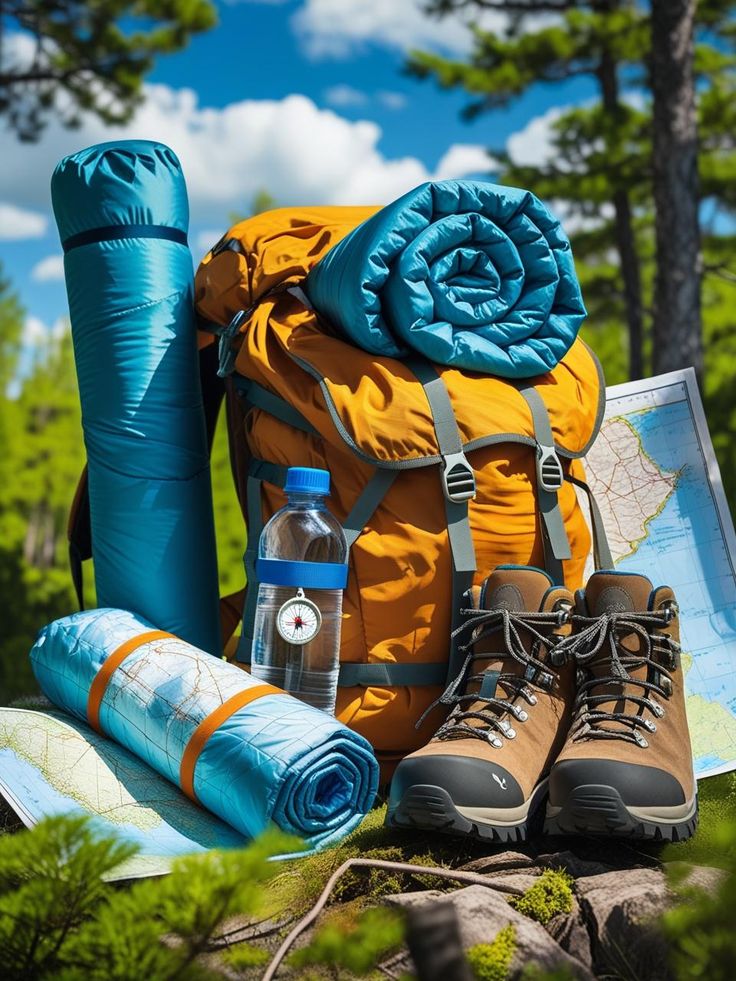
Rucksack bag - for all your main luggage.
Backpack or handbag - So you can keep your daily essentials here (medicines, snacks, documents, phone)
Firstly, be aware that there are no porters on this trek. Whatever you carry, you carry yourself. “So pack light, not heavy.”
2) Clothes
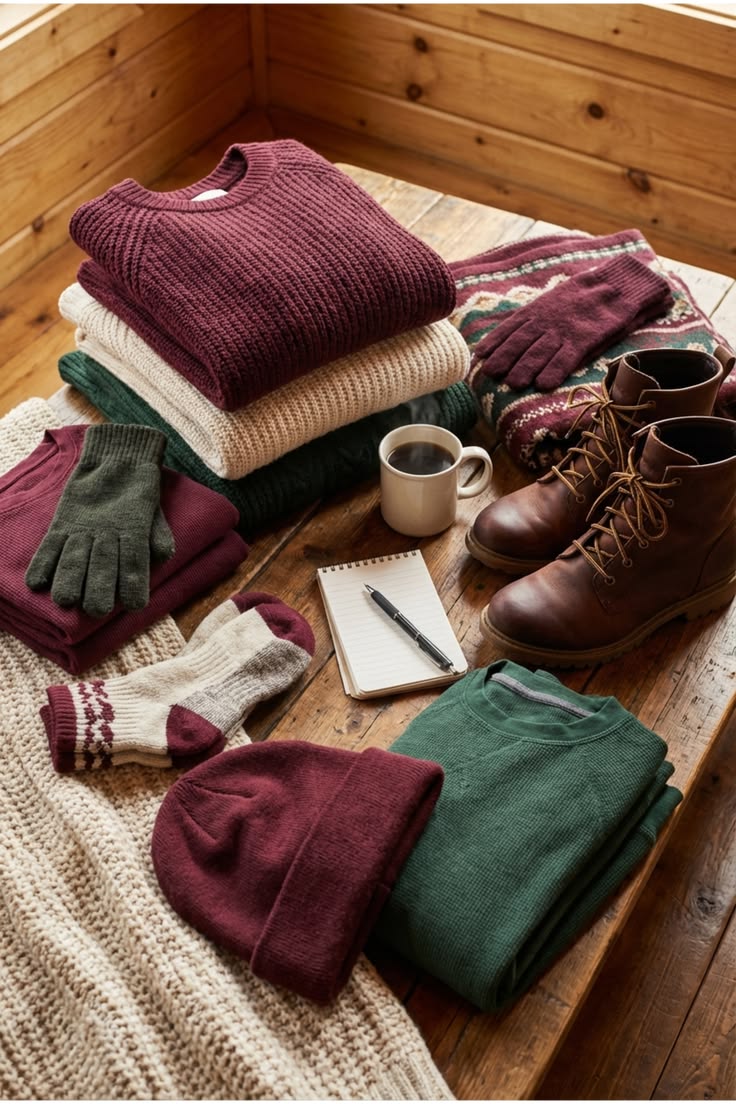
The weather at Shinkula Pass changes very fast. Bright sunshine at 10 am can turn into a snowstorm by afternoon. Layering is not optional here.
Head & Face:
Regular cap
Woollen cap
Muffler or neck gaiter
Sunglasses: UV rays are directly hit at this altitude, so make sure you don't skip these
Upper Body:
Inner thermals
Long-sleeve and short-sleeve t-shirts
Fleece jacket
Heavy, thick jacket or down jacket
Rain jacket or poncho - absolutely needed in monsoon
Lower Body & Rest:
Long pants: trek pants or cargo pants work best; avoid jeans
Nightwear
Undergarments (pack enough for the full trip)
Spare socks: minimum 3-4 pairs
Small towel + regular towel
Quick tip: Avoid cotton at high altitude. Cotton holds moisture and easily drops your body temperature fast, so you should go for wool or synthetic fabrics instead.
3) Footwear
Your shoes will either make or ruin this trip.
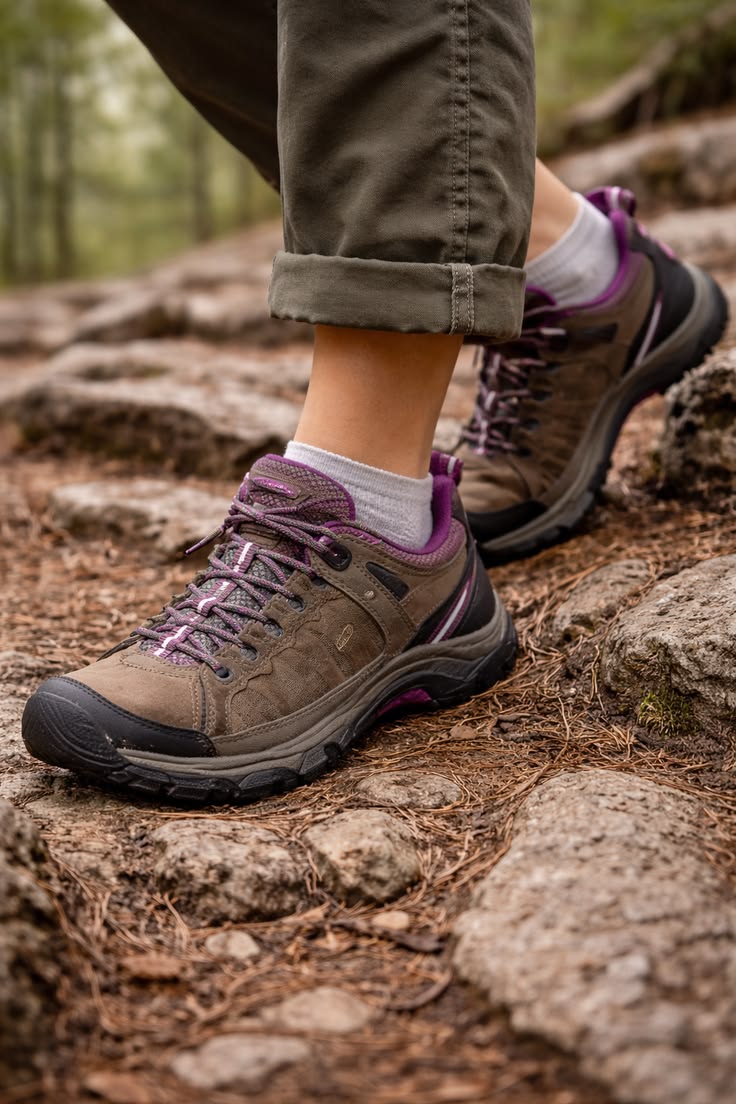
The most important item on this list is waterproof hiking boots with good grip that go above the ankle.
Sports shoes: for lower-altitude days and relaxed evenings
Flip flops/sandals: for homestays and camps
Regular sneakers won't cut it on the Shinkula stretch. The ground is rough and sometimes covered in snow, and there is no room for mistakes.
4) Medicines - Read This Before You Skip It
Altitude sickness is a real risk when you are at high altitude. First, pack your meds.
Diamox (one strip): helps your body adjust to altitude; consult your doctor before use
Glucose powder - quick energy when you need it most
Medicines for headache, diarrhea, motion sickness, and altitude sickness
Painkillers
Crocin
Dettol
Bandage + cotton
Sprain relief spray
Crepe bandage
Any personal medications - never leave these behind
If you feel a severe headache, nausea, or breathlessness at the pass - stop, rest, and descend if needed. No view is worth your health.
5) Water & Snacks - No Shops Up There
There are zero shops or dhabas near the top of Shinkula Pass. So plan accordingly.
Minimum 2-3 litres of water per person
Energy bars, dry fruits, nuts
Glucose biscuits or chocolate
ORS sachets to stay hydrated
Eat light and eat often at altitude. Heavy meals can worse the altitude sickness.
6) Small Essentials That Make a Big Difference
Portable power bank: charging is impossible on the route so make sure you carry your own power bank.
Offline maps downloaded (Google Maps offline or Maps.me)
Torch or headlamp with extra batteries
Cash in hand - no ATMs will be available after Manali on this route
Valid government ID: Aadhar card/Pan card/etc.
Sunscreen SPF 50+
Lip balm: Mountain air is extremely dry
Wet wipes and hand sanitizer
Ziplock bags - to keep documents and electronics dry
Garbage bags:carry your waste back, keep the mountains clean
Portable power bank: charging is impossible on the route so make sure you carry your own power bank.
Offline maps downloaded (Google Maps offline or Maps.me)
Torch or headlamp with extra batteries
Cash in hand - no ATMs will be available after Manali on this route
Valid government ID: Aadhar card/Pan card/etc.
Sunscreen SPF 50+
Lip balm: Mountain air is extremely dry
Wet wipes and hand sanitizer
Ziplock bags - to keep documents and electronics dry
Garbage bags:carry your waste back, keep the mountains clean
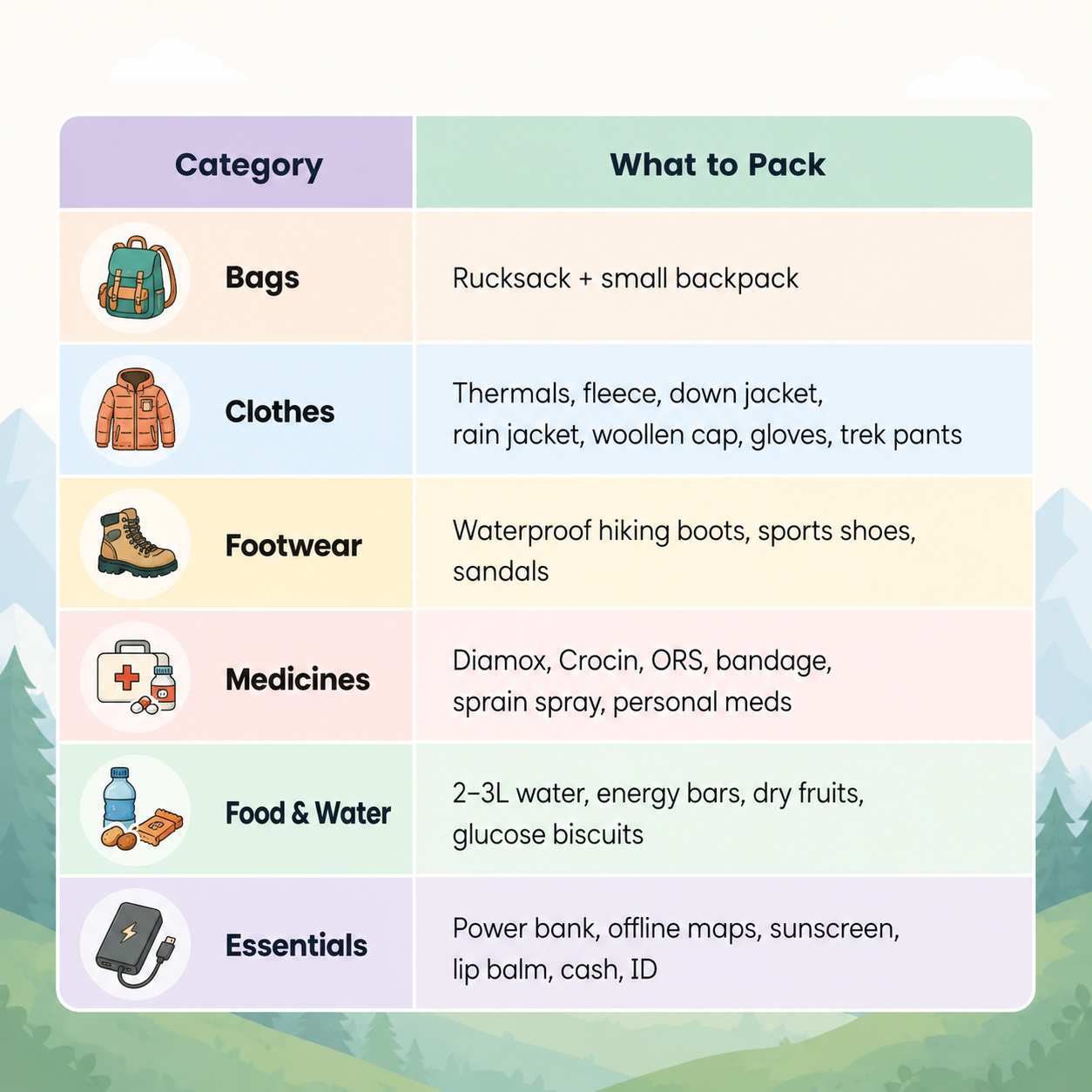
7) Quick Packing Checklist
8) Plan Your Shinkula Pass Trip With Voyagers' Beat
Shinkula Pass is one of the most beautiful roads in India – but the logistics can be tricky. Planning a Manali-Jispa-Shinkula Pass trip? We've got you covered with fixed departures, experienced guides & everything sorted.
Go further than Zanskar? Explore our Zanskar Expedition package - one of our most loved adventure trips.
And if Ladakh is on your bucket list, check out all our Ladakh packages to find the right one for you.
FAQ
Q1. What is the best time to visit Shinkula Pass?
Shinkula Pass is generally open from June to October. September is the sweet spot, the weather is more stable, the skies are clear, and the roads are in better condition than during peak monsoon months.
Q2. Is Shinkula Pass safe for first-time mountain travelers?
Yes - if you're well-prepared and go with an experienced group. The altitude is the main challenge. Go slow, stay hydrated, carry your medicines, and don't rush the ascent. First-timers do really well on guided group trips.