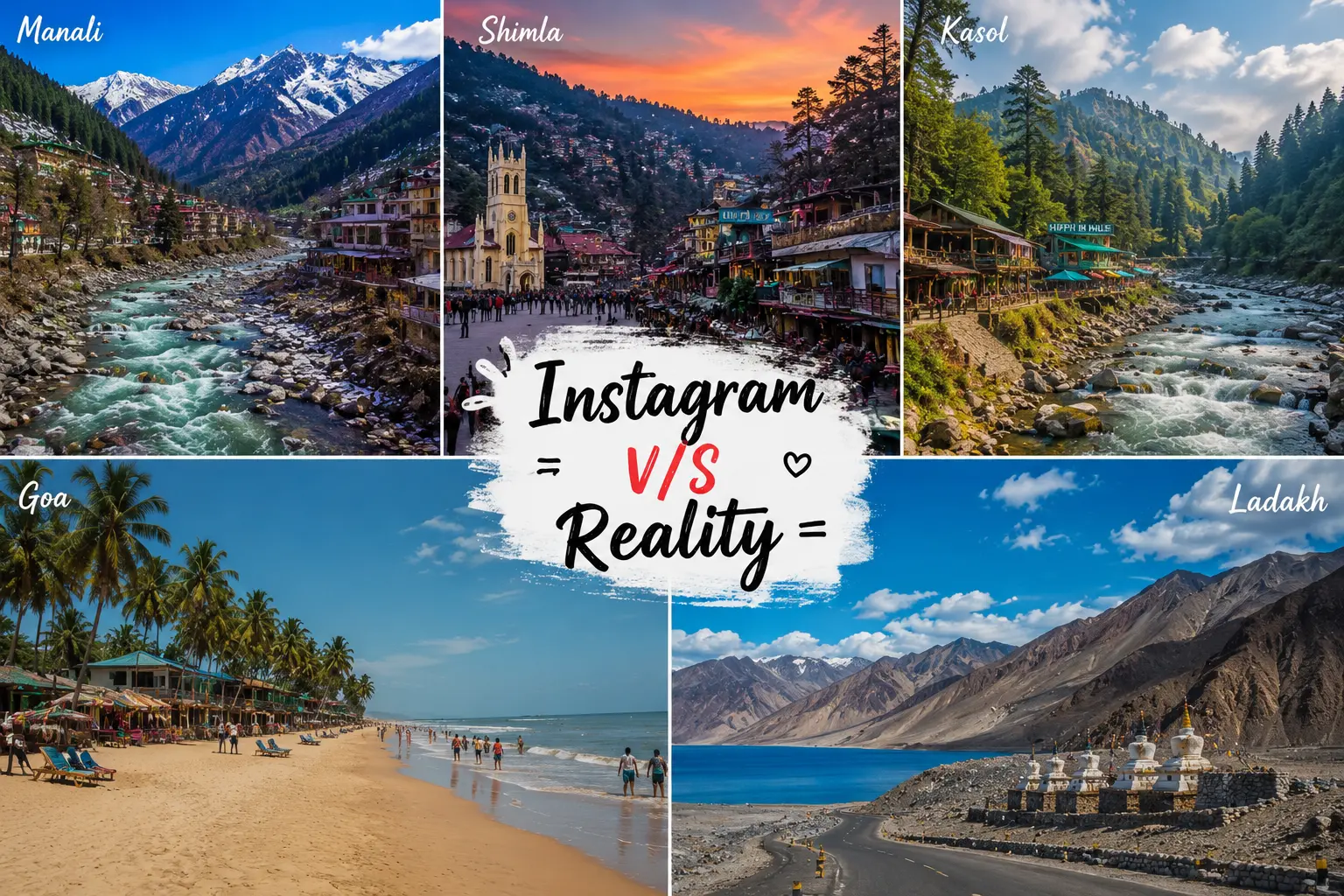
Instagram vs Reality: What Popular Tourist Places Are Really Like
We've all been there. Saved a photo on Instagram and was like, "I have to go here," and started planning the trip right away.
But the gap between Instagram and reality is very real when it comes to travel. Those golden-hour photos, clean and empty? They rarely tell the complete story.
This blog is not meant to scare you off these places. They’re really beautiful. But knowing what they are really like before you go will help you to plan better, set the right expectations, and enjoy the trip a lot more with Voyagers Beat.
5 famous tourist destinations of India and what they are really like on the ground.
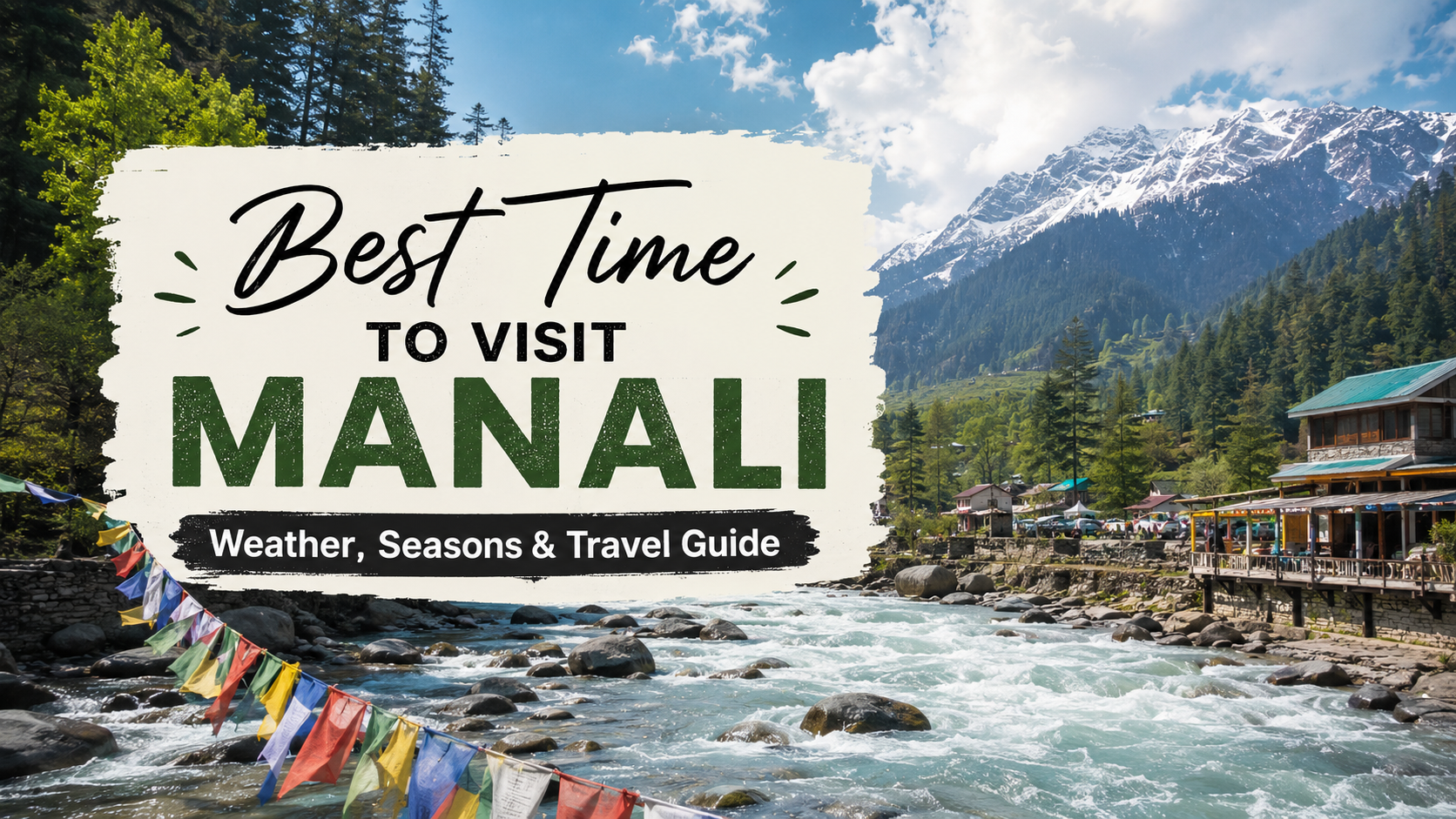
1. Manali
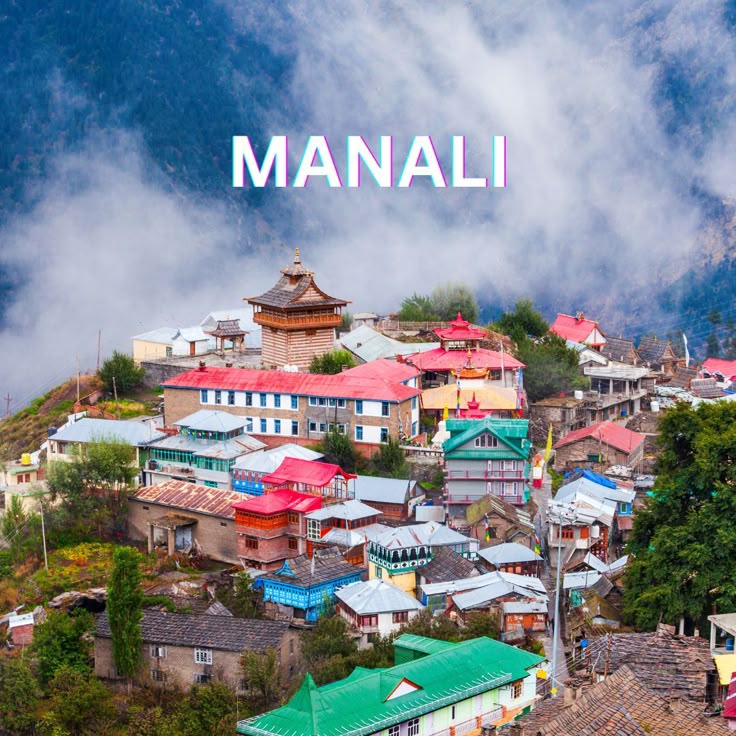
What Instagram shows you: An empty snow-covered street. Cozy cafe with mountain views. Solang Valley with no one in sight. Someone is doing yoga at sunrise with the mountains behind them.
What it's actually like: If you are going in May, June, or any long weekend, Manali is packed infact Mall Road is very crowded. Solang Valley has long lines of people for snow activities. Traffic on the way to Rohtang Pass can take 2-3 hours of sitting in your car, doing nothing.
The mountains are still there, and the snow remains real. Old Manali is best experienced through slow walking. The food is good, but the empty roads shown in all those pictures? They were all taken at a time other than the off-season or at 5 am!
The honest version:
Go with the right expectations. Don't expect empty roads-do expect great views, good food, and a lively mountain town. If you want fewer crowds, visit in March-April or September-October. It genuinely looks closer to the Instagram version.
Planning a Manali trip? Voyagers Beat's Manali-Kasol package covers the best places in a 3N/4D - well-planned itinerary.
2. Goa
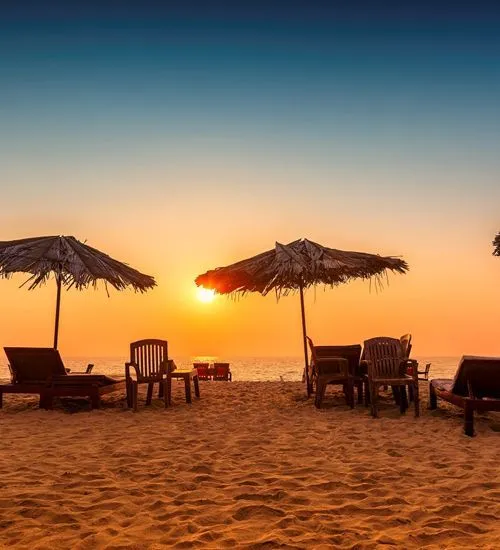
What Instagram shows you: Empty white sand beaches. Sunsets with nobody in the frame. Quiet Portuguese streets. Everything looks slow, warm, and peaceful.
What it's actually like: Goa in peak season (November to February) is one of the most crowded places in India. Popular beaches like Baga and Calangute are loud, packed, and nothing like the quiet reels you've saved. Music plays late into the night. Sunbeds are lined up end to end on the beach. It's fun, but it's not peaceful.
South Goa, however, is a different story - quieter beaches, cleaner water, a slower pace. The old streets of Fontainhas in Panjim are genuinely beautiful. And the food - real Goan food from small local restaurants - is outstanding.
The honest version:
If you want the Instagram version of Goa, stay in South Goa and avoid the peak December–January weeks. Explore early mornings before the crowd arrives. North Goa is fun in its own way - just go knowing it's a party destination, not a quiet beach escape.
North Goa or South Goa - which is better? Read Shimla vs Manali - A Complete Travel Guide by Voyagers Beat for a similar honest comparison approach.
3. Shimla
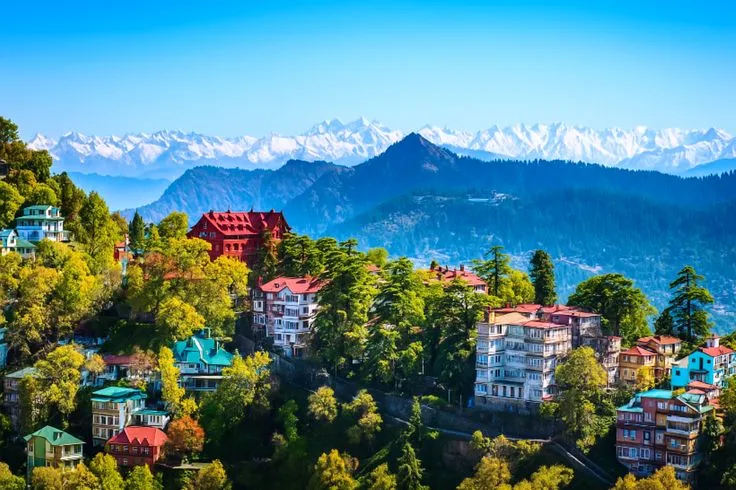
What Instagram shows you: Pretty colonial buildings. Snow-covered streets. A quiet hill town with old-world charm. Empty Mall Road with morning mist.
What it's actually like: Shimla's Mall Road on a weekend is busy, noisy, and nothing like those photos. During peak season the footfall is very high. Hotels charge a lot for what they offer. The views are still nice - but you're sharing them with a large crowd.
The older, less visited parts of Shimla - near Jakhu Temple, Chadwick Falls, or the quieter streets behind the main market - still have the charm the photos promise. But you have to go looking for it. It doesn't show up on its own.
The honest version:
Shimla is a decent weekend getaway from Delhi. But if you're expecting a quiet, peaceful colonial escape - either manage your expectations or go in the off-season (January or late September). It's a lively town, not a retreat.
Can't decide between Shimla and Manali? Shimla vs Manali - Which is Best? on the Voyagers Beat blog breaks it down clearly.
4. Ladakh
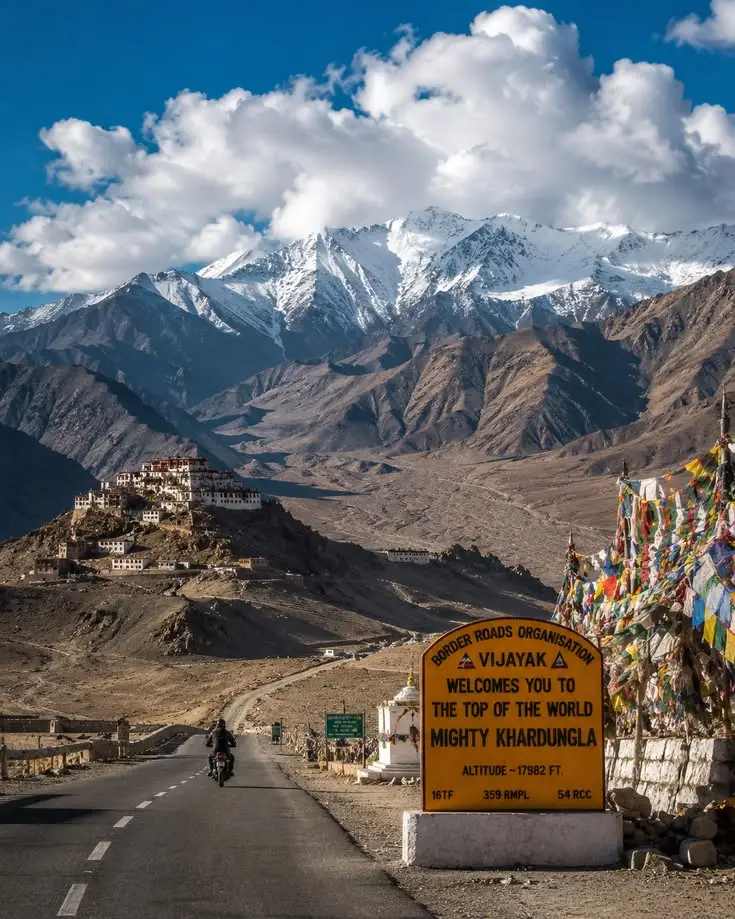
What Instagram shows you: Pangong Lake with a single car on an empty road. Massive landscapes with nobody in sight. A lone monk at a monastery. A sky full of stars.
What it's actually like: Ladakh in July and August - peak tourist season - is busier than people expect. Pangong Lake has rows of camping setups and vehicles parked along the shore. Nubra Valley has queues for camel rides. Some monasteries get crowded with tour groups.
But here's the difference from the other places on this list - Ladakh's landscape is so large and so dramatic that even with tourists around, it doesn't feel small. Drive 10 minutes off the main circuit and you're back to silence and open mountains.
The honest version:
Ladakh is genuinely as beautiful as Instagram says - maybe more. The catch is just timing and routes. Go in June or September, explore roads beyond the main tourist trail, and the experience will be very close to what the photos promised.
Thinking about Ladakh? Check out Voyagers Beat's Ladakh packages for trips that mix the popular spots with quieter, less-visited routes.
5. Kasol
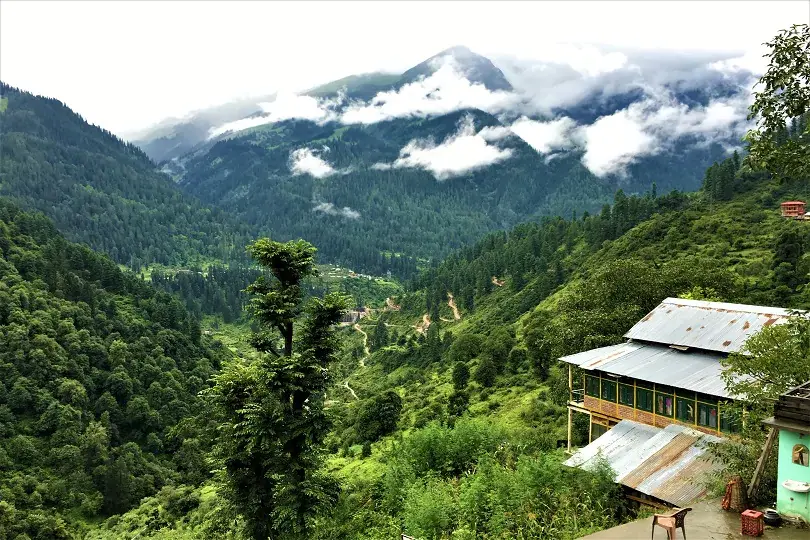
What Instagram shows you: A quiet riverside campsite. Empty forest trails. A tiny café in the middle of the woods. Total peace and quiet.
What it's actually like: Kasol has become very well-known, especially among younger travellers from Delhi and other big cities. In peak season the main market area is crowded and noisy. Finding a quiet campsite right by the river without other tents nearby is harder than it used to be.
Kheerganga - which used to be a genuinely quiet trek - now has hundreds of trekkers going up every day during peak season. The hot springs at the top are busy. The trail is still beautiful, but the "secret, undiscovered" feeling is long gone.
The honest version:
Kasol is still a good trip - especially for first-time Himachal travellers and people who want a mix of nature and café culture. But it's not the hidden, quiet place those photos suggest anymore. Go with that in mind and you'll still enjoy it.
Travelling solo to Kasol or anywhere in Himachal? Read Group Trips for Solo Travellers in India - a useful guide before you plan.
Conclusion
The Instagram vs reality gap in travel will always exist. Social media shows you the best 1% of someone's trip - perfect light, no crowd, everything exactly in frame.
The good news? These places are still worth visiting. The mountains are real, the beaches are real, the food and the experiences are real. They just come with crowds, noise, and imperfect moments too.
That's what travel actually is. Plan smart, keep your expectations honest, and you'll always have a better trip than the one you imagined from a reel.
Also Read These Blogs Before You Plan
👉 Which Month is Best to Visit Manali? - Best time to visit, crowd guide, and honest season breakdown
👉 Spiti Valley in Summer - Complete Travel Guide - If you want the real offbeat Himachal experience, read this
👉 Top 10 Places to Visit in Ladakh - Full guide on what to see, skip, and how to plan Ladakh properly
👉 How to Plan a Budget-Friendly Group Trip in India - Useful for anyone planning any of these places with a group
Frequently Asked Questions
Q1. Is the Instagram vs reality gap real for popular tourist places in India? Yes, very much so - especially for places like Manali, Goa, Shimla, and Kasol. Most travel photos are taken in off-season, early morning, or from less-visited spots. Visiting in peak season means more crowds and a different experience than what you see online. That doesn't mean these places aren't worth visiting - it just means going with realistic expectations makes the trip better.
Q2. Which popular tourist places in India still live up to the hype? Out of the five places in this blog, Ladakh comes closest to what Instagram shows - the landscape is simply too large and dramatic to be ruined by crowds. Goa's South side and Old Manali also hold up well if you explore beyond the main tourist areas and visit at the right time of year.