
7 Things to Know Before Traveling to Leh Ladakh

Leh Ladakh is one of those trips that genuinely changes you. The mountains, the silence, the big open skies - there's nothing quite like it in India. But this place doesn't forgive poor planning. If you're going solo or in group so check our Leh Ladakh tour packages to sort the logistics, make sure you're prepared before you head out.
.1- Plan Your Trip Between May and September
Ladakh is a high-altitude desert and most of it is cut off during winter due to heavy snowfall. The roads- including the famous Manali-Leh Highway, most probably open around May and close by November. The sweet spot for travel is between June and August when the weather is most pleasant and all roads and passes are accessible.
If you're someone who hates crowds, try going in late May or early September. The scenery is just as beautiful and the tourist rush is much lower. Avoid planning around Diwali or random long weekends without checking road conditions first
weekends without checking road conditions first - surprises in Ladakh can be costly.
Quick Tip
Check the Border Roads Organisation (BRO) updates before your trip. Weather can shut passes like Rohtang or Baralacha La without warning.
.jpeg)
2- Altitude Sickness Is Real - Take It Seriously
Leh is located at an altitude of about 3,500 meters above sea level. If you're going to Leh from Delhi or Mumbai, your body doesn't get time to adjust gradually. Altitude sickness (locally called AMS - Acute Mountain Sickness) can hit anyone, regardless of age or fitness level. You may feel dizzy, nauseous, develop headaches, or struggle to breathe.
The golden rule: when you land in Leh, do nothing. Just rest, drink water, and let your body figure out what just happened. Most people feel much better by day two. Your doctor can prescribe Diamox (acetazolamide) to help with acclimatization - it's worth asking about before you leave.
Pro Tip
Avoid alcohol and smoking for at least the first 48 hours. Both make altitude sickness significantly worse and slow down your acclimatization.

3-Get the Essential Permits in Advance Ladakh has a lot of protected areas which require special permits. As an Indian citizen, you will need an Inner Line Permit (ILP) for places like Nubra Valley, Pangong Lake and Tso Moriri.Travelers from abroad are required to carry a Protected Area Permit (PAP). which has some restrictions on where they can go independently. You can get ILPs online through the Ladakh government's portal or at the DC Office in Leh. The process is fairly quick, but always carry multiple copies since checkposts may ask for them.
4- The Roads Are Not Like Regular Indian Roads
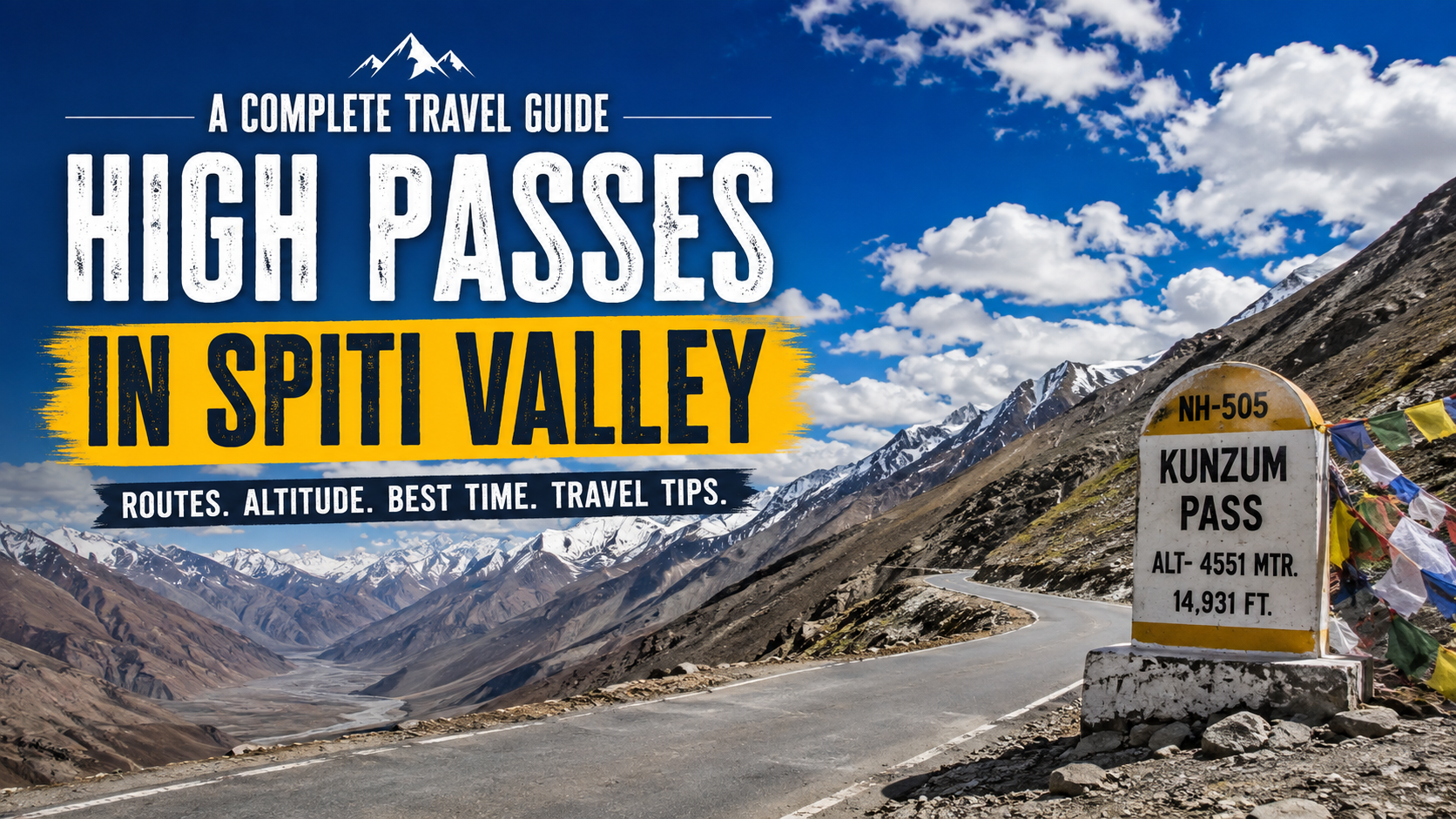
If you're driving or riding to Leh, know what you're signing up for. The Manali-Leh Highway stretches over 470 km and crosses some of the World's highest motorable passes - including Tanglang La at around 5,360 meters. River crossings, loose gravel, and no guardrails are part of the package.
This route takes at least two days with a halt usually at Jispa or Sarchu. You must carry extra fuel, a basic toolkit, warm layers, and some snacks. Mobile networks disappear for long stretches. If you're renting a bike in Leh, make sure it's serviced and check whether it can handle the altitude. A Royal Enfield 350 or 500 is a popular choice for a reason.
Good to Know
Even if you're flying to Leh, budget a few days to acclimatize before heading to places like Khardung La or Pangong Lake - both are significantly higher than Leh itself.

5- Pack Smart - Weather Changes Fast
In Ladakh, even in summer, the temperature can drop suddenly after sunset. It can be sunny and warm at noon and freezing by 9 PM. Always pack yourself in layers with thermal innerwear, a fleece, and a windproof jacket are non-negotiable.Carry Sunscreen with SPF 50+ is essential because the UV rays at high altitude are brutal. People come back looking like they've been cooked if they don't protect their skin.
Carry lip balm, good sunglasses, a refillable water bottle, and your personal medicines. Pharmacies in Leh are decent but once you're out in the valleys, you're on your own. Also must carry some easy to eat snacks like energy bars, nuts, biscuits because meals can be unpredictable on long drives.

6- Cash Is Still King in Most of Ladakh
In Leh there are ATMs but they often run out of cash during peak season and some only accept certain cards. Beyond Leh, in most villages and remote areas, digital payments simply don't exist. Markets like Nubra Valley or the tiny dhabas near Pangong Lake operate only on cash. Withdraw enough before you head out for the day. Carrying ₹10,000–₹15,000 in cash at all times when you're on road trips is a smart habit in Ladakh.

7- Respect the Local Environment and Culture
Ladakh is home to a warm, deeply-rooted Buddhist community. If you're visiting monasteries, dress modestly - shoulders and knees covered. It’s respectful to ask first before clicking pictures of locals or monks. Many gompas (monasteries) have specific rules about which areas are off-limits for tourists.
The environment is sensitive here. Ladakh already has a serious problem with plastic waste from tourism so remember to carry a reusable bag, pick your waste by yourself and don’t litter at lakes or passes. The 'leave no trace' philosophy here is more than a travel trend, it is a responsibility. The people who come after you should see Pangong as beautiful as you saw it.
Leh Ladakh is best for those who come prepared. It's not a trip you can rush - the mountains have their own pace and you'll do best when you match it. Plan well, acclimatize properly, carry your permits, and go with an open mind. The landscapes, the people, and the sheer quiet of this place will give you memories that genuinely last a lifetime. Just don't forget the sunscreen.